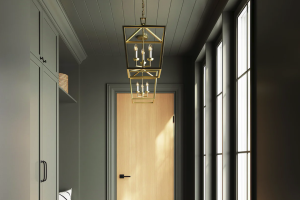
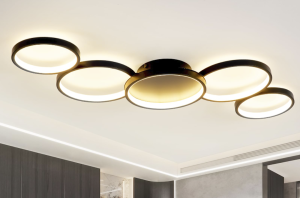
The milk glass chandelier, an elegant lighting fixture, offers a distinct aesthetic that can elevate various interior spaces. Its characteristic opalescent glass, historically crafted from materials like feldspar and cryolite, diffuses light in a soft, even manner, contributing to a refined atmosphere. This article will explore the historical context, material properties, and design considerations when incorporating a milk glass chandelier to achieve a luxurious ambiance.
Milk glass, a vitreous material, distinguishes itself through its opaque, milky-white appearance. Its history traces back to 16th-century Venice, where artisans sought to mimic fine porcelain. Early iterations often incorporated tin oxide, leading to its characteristic whiteness. The material gained significant popularity in the 19th century, particularly during the Victorian era, for its aesthetic appeal and perceived delicacy. Unlike clear glass, milk glass refracts and scatters light, creating a glow that minimizes harsh contrasts and shadows.
Historical Context
The development of milk glass was not a singular event but an evolution driven by both artistic intent and technological advancements. Venetian glassmakers, renowned for their innovative techniques, were among the first to experiment with opacifiers. Their creations, often intricate and highly decorative, laid the groundwork for future applications.
Venetian Origins
Early Venetian milk glass, sometimes referred to as “lattimo” (meaning “milky” in Italian), was prized for its ability to simulate porcelain, a material that was both expensive and challenging to produce in Europe. These early pieces were typically hand-blown and often incorporated elaborate patterns or gilding.
Victorian Era Popularity
The 19th century witnessed a resurgence in the popularity of milk glass. Industrial production methods made it more accessible, leading to its widespread use in tableware, decorative objects, and, significantly, lighting fixtures. The Victorian aesthetic, with its emphasis on elaborate design and diffused light, found a natural complement in milk glass.
Material Properties
Beyond its visual appeal, milk glass possesses specific material properties that contribute to its suitability for chandeliers. Its opaqueness is key to its light diffusion capabilities. The manufacturing process often involves heating silica, alkalis, and opacifying agents to form a molten glass, which is then shaped.
Light Diffusion
The primary characteristic of milk glass, its light diffusion, is central to its luxurious appeal. Instead of allowing light to pass through unobstructed, the microscopic particles within the glass scatter it. This process softens the light output, reducing glare and creating a more comfortable visual environment. Imagine a harsh spotlight vs. the gentle glow of a full moon; milk glass leans towards the latter.
Durability and Maintenance
While appearing delicate, milk glass is a relatively robust material. It is less prone to showing fingerprints and smudges than clear glass, and its opaque nature can camouflage minor imperfections. Cleaning typically involves a soft cloth and mild detergent, similar to other glass fixtures.
Selecting the Right Chandelier
The selection of a milk glass chandelier requires consideration of several factors, including the room’s size, ceiling height, and existing décor. A well-chosen chandelier acts as a focal point, enhancing the overall design scheme.
Sizing and Scale
Proper sizing is paramount. An oversized chandelier can overwhelm a small room, while a diminutive fixture may appear lost in a grand space. As a general guideline, the diameter of the chandelier in inches should approximate the sum of the room’s length and width in feet. For example, a 10’ x 12’ room (22 feet total) might accommodate a chandelier with a 22-inch diameter.
Ceiling Height
Ceiling height also dictates chandelier proportions. In rooms with high ceilings, a chandelier with a longer drop or multiple tiers can be appropriate. Conversely, lower ceilings necessitate fixtures closer to the ceiling to avoid visual obstruction and maintain comfortable head clearance. The lowest point of the chandelier should ideally be at least 7 feet from the floor in traffic areas.
Room Dimensions
Consider the overall dimensions and layout of the room. In a dining room, the chandelier should be centered over the dining table, with its width being roughly one-half to two-thirds the width of the table. In a living room, its placement can define a seating area or illuminate a central gathering space.
Style and Design Integration
Milk glass chandeliers come in a variety of styles, from vintage-inspired fixtures reflective of their Victorian origins to more contemporary interpretations. The key is to select a style that complements the existing interior design.
Vintage and Traditional Styles
Many milk glass chandeliers harken back to classic designs, featuring ornate metalwork, intricate detailing, and multi-tiered arrangements. These are well-suited for traditional, classic, or eclectic interiors, adding a touch of historical elegance. They can anchor a space with antique furnishings or provide a counterpoint in a room with transitional elements.
Modern and Contemporary Adaptations
Contemporary designers have reinterpreted milk glass, incorporating it into minimalist or abstract forms. These modern milk glass chandeliers often feature clean lines, geometric shapes, and a reduction in ornamentation. They are ideal for modern, Scandinavian, or industrial-inspired spaces, offering a refined yet understated lighting solution.
Complementing Existing Décor
View the chandelier as an integral part of the room’s narrative. If your décor is characterized by warm wood tones and earthy palettes, a milk glass chandelier with brass or bronze accents might be suitable. For cooler color schemes and metallic finishes, a fixture with chrome or brushed nickel elements could be more appropriate.
Illuminating with Milk Glass
The unique light distribution of milk glass chandeliers plays a crucial role in shaping a room’s ambiance. Understanding how to leverage this property can significantly enhance the perceived luxury of a space.
Soft, Diffused Light
The primary benefit of milk glass is its ability to produce a soft, even light. Unlike direct illumination, which can create stark contrasts and glare, diffused light minimizes shadows and provides a more uniform brightness. This quality is particularly valuable in spaces where comfort and relaxation are priorities.
Reducing Glare
The opaqueness of the milk glass shades acts as a natural glare reducer. The light source itself, often a bare bulb, is obscured, preventing direct eye contact with the filament. This results in a softer visual experience, less taxing on the eyes.
Creating a Warm Glow
The diffused light from a milk glass chandelier often takes on a warm, inviting quality. This is especially true when paired with incandescent or warm-white LED bulbs. The overall effect is akin to moonlight, gentle and pervasive, fostering a sense of tranquility and intimacy.
Layering Light
A successful lighting scheme rarely relies on a single light source. Layering light, where different types of lighting are used to achieve varying effects, is fundamental to creating a dynamic and luxurious ambiance. The milk glass chandelier often serves as the ambient or general lighting layer.
Ambient Lighting
The milk glass chandelier excels as an ambient light source, providing overall illumination to a room. Its diffused output ensures that no single area is excessively bright or dark, creating a balanced foundation for the other lighting layers. It sets the overarching mood.
Task Lighting
While the chandelier provides general illumination, it is typically not sufficient for specific tasks such as reading or working. Complement it with targeted task lighting, such as table lamps, floor lamps, or under-cabinet lighting, placed where focused light is required.
Accent Lighting
Accent lighting, designed to highlight specific features or architectural details, further enhances the luxurious feel. This can include picture lights, spotlights aimed at artwork, or uplights emphasizing textures. When combined with the soft glow of a milk glass chandelier, accent lighting creates depth and visual interest.
Placement and Installation
Proper placement and installation are critical to both the aesthetic impact and the functional performance of a milk glass chandelier. Careful planning ensures safety and optimizes its contribution to the room’s ambiance.
Optimal Positioning
The optimal position for a milk glass chandelier depends heavily on the room’s function and layout. In a dining room, it should be centered over the dining table. In a living room, it might define a seating area or illuminate a central coffee table.
Dining Rooms
In a dining room, the chandelier should be centered over the table and typically hung so the bottom of the fixture is approximately 30-36 inches above the tabletop. This height provides ample illumination without obstructing the view across the table or creating glare for those seated.
Living Rooms and Foyers
In living rooms, the chandelier can be a central feature, illuminating the main seating area. In foyers or entryways, it serves as a welcoming beacon, setting the tone for the rest of the home. Here, the 7-foot clearance guideline is crucial to prevent head bumping in high-traffic areas.
Bedroom Considerations
While less common, a milk glass chandelier in a master bedroom can add a touch of sophisticated elegance. It should be positioned to provide soft ambient light without being directly above the bed, where it might interfere with sleep. Dimmer switches are particularly useful in bedrooms.
Installation Best Practices
Due to their weight and electrical requirements, milk glass chandeliers often require professional installation. Safety should always be the priority.
Professional Assistance
Unless you have extensive electrical experience, hiring a licensed electrician is highly recommended. They can ensure proper wiring, secure mounting to ceiling joists or bracing, and adherence to local electrical codes. This prevents potential hazards and ensures the fixture operates correctly.
Dimmer Switches
Installing dimmer switches for your milk glass chandelier is strongly advised. Dimmers allow you to adjust the light output, transitioning from bright ambient light to a soft, intimate glow. This versatility is key to creating a truly luxurious and adaptable ambiance.
Structural Reinforcement
For heavy chandeliers, particularly larger or antique models, ensuring adequate structural support in the ceiling is crucial. Standard electrical boxes may not be sufficient. An electrician can assess the ceiling structure and recommend or install appropriate bracing.
Maintaining Your Milk Glass Chandelier
Like any fine fixture, a milk glass chandelier benefits from regular maintenance to preserve its beauty and functionality. Proper care ensures its continued contribution to a luxurious ambiance.
Regular Cleaning
Dust and grime can dull the appearance of milk glass and diminish its light output. Regular, gentle cleaning is essential. Keep in mind that older milk glass can be more fragile than newer iterations.
Dusting
For routine maintenance, a soft, dry microfiber cloth or a feather duster is sufficient to remove surface dust. Avoid abrasive materials that could scratch the glass or metal components.
Deep Cleaning
Periodically, a more thorough cleaning may be necessary. For milk glass shades, remove them carefully (if designed to be removable) and wash them in a gentle solution of mild soap and warm water. Rinse thoroughly and allow them to air dry completely before reattaching. For the metal frame, use a slightly damp cloth with a mild cleaner specifically designed for the metal type (e.g., brass cleaner for brass frames). Avoid spraying cleaners directly onto electrical components.
Bulb Replacement
Using the correct type and wattage of bulbs is important for both the aesthetic and longevity of your chandelier. Refer to the manufacturer’s specifications for bulb requirements.
Bulb Type
Modern milk glass chandeliers are often compatible with LED bulbs. These offer energy efficiency, a longer lifespan, and a wide range of color temperatures, allowing you to fine-tune the warmth of the light. Classic incandescents, while less energy-efficient, can offer an unmatched warm glow.
Wattage Considerations
Adhere to the recommended wattage limits for your fixture. Overwattage can lead to overheating, potentially damaging the chandelier’s wiring or glass, and posing a fire hazard. The diffused nature of milk glass often allows for lower wattage bulbs to produce effective illumination.
Addressing Minor Repairs
Over time, minor issues may arise, such as loose screws, tarnished metal, or small chips. Promptly addressing these can prevent further damage and maintain the chandelier’s integrity.
Tightening Components
Periodically check for any loose screws, nuts, or bolts in the chandelier’s frame or arms. Gently tighten them with appropriate tools, taking care not to overtighten.
Polishing Metal Accents
If the chandelier incorporates metal accents, such as brass or bronze, they may tarnish over time. Use a metal polish specifically formulated for the type of metal, following the product instructions carefully. Test on an inconspicuous area first.
Professional Restoration
For significant damage, such as a cracked milk glass shade or extensive wiring issues, consider seeking professional restoration services. Specialists skilled in antique lighting or glass repair can often restore a cherished chandelier to its former glory.
In conclusion, a milk glass chandelier is more than just a light source; it is an architectural element capable of transforming a space. By understanding its historical context, material properties, and strategic placement, you can harness its inherent elegance to cultivate a truly luxurious and inviting ambiance within your home. It’s an investment in enduring style and timeless illumination.