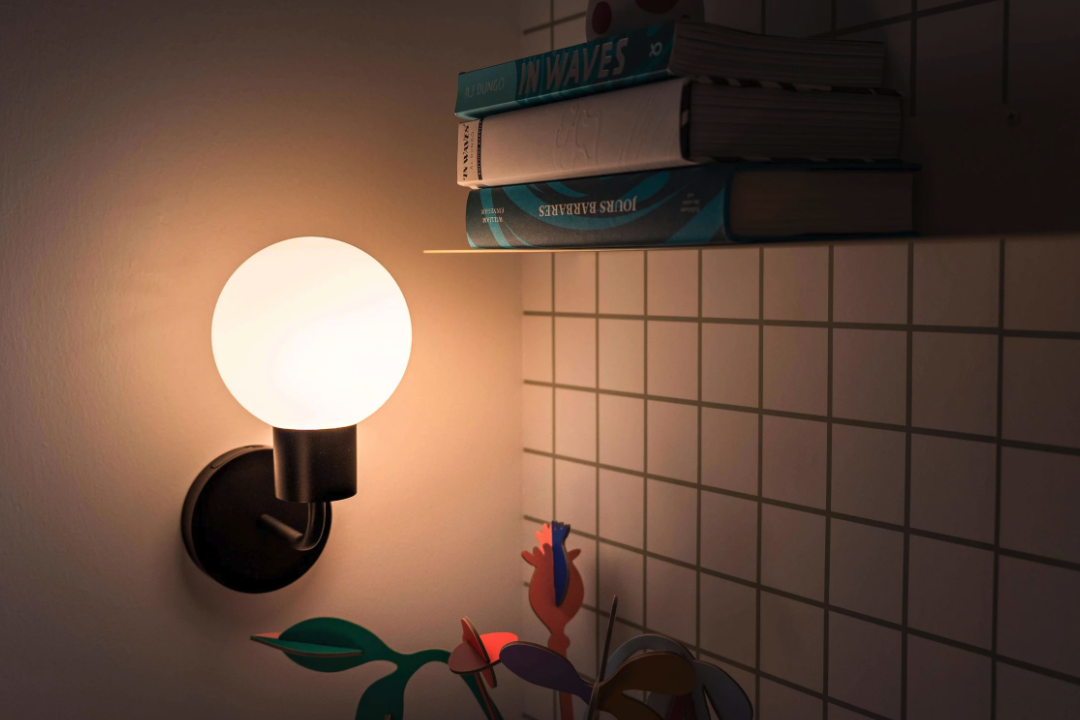
A plug-in wall light can be a practical and accessible way to enhance the ambiance and functionality of a rental apartment. Unlike hardwired fixtures, which typically require professional installation and landlord permission, plug-in wall lights offer a temporary yet effective solution for renters seeking to personalize their living space. This guide explores the benefits, types, considerations, and installation of these convenient lighting options, treating them as a valuable tool in the renter’s arsenal for creating a more comfortable and visually appealing home.
Plug-in wall lights Lovefanli, by their very nature, sidestep the complexities often associated with permanent lighting modifications. Their appeal lies in their simplicity and versatility, allowing for immediate impact without a significant investment of time, money, or landlord negotiation. Think of them as a decorative accent that can be moved and adapted as easily as a piece of furniture, rather than a structural alteration.
Addressing the Rental Constraint
The fundamental challenge for renters is the inherent impermanence of their living situation. Permanent fixtures can tie you to a property, making them difficult to take with you when you move, and potentially incurring costs for removal or restoration. Plug-in wall lights circumvent this by offering a non-invasive lighting upgrade. They are the equivalent of a temporary tattoo for your walls, offering visual enhancement without the commitment of a permanent ink. This allows renters to inject personality and style into their apartments without running afoul of lease agreements.
Enhancing Ambiance and Mood
Beyond mere illumination, wall lights contribute significantly to the ambiance and mood of a room. While overhead lighting can be harsh and utilitarian, wall lights, particularly those with adjustable brightness or directional capabilities, can create softer, more layered lighting schemes. They can cast a warm glow, highlight architectural features, or provide task lighting where needed, transforming a functional space into a more inviting one. Consider their role in setting the stage for different activities: a cozy reading nook, a relaxing evening setting, or a well-lit workspace.
Functional Benefits for Limited Spaces
In many rental apartments, space is at a premium. Plug-in wall lights offer a space-saving lighting solution. By mounting directly onto the wall, they do not occupy precious floor or surface area, which is often a concern with floor lamps or table lamps. This frees up valuable real estate, making smaller rooms feel more open and less cluttered. They can also be strategically placed to illuminate areas that might otherwise be dark corners or hallways, improving overall functionality.
Cost-Effectiveness and Accessibility
Compared to hiring an electrician for hardwired installations, plug-in wall lights are typically more cost-effective. The initial purchase price is generally lower, and the absence of professional labor further reduces the overall expense. This accessibility makes them an attractive option for budget-conscious renters. They are readily available from a wide range of retailers, making them easy to procure.
Types of Plug-in Wall Lights
The market offers a diverse array of plug-in wall lights, each catering to different aesthetic preferences and functional requirements. Understanding these variations is key to selecting the most suitable option for your rental upgrade.
Sconces and Appliques
Plug-in wall sconces and appliques are perhaps the most common form of this lighting type. These fixtures, designed to be mounted on the wall, can range from traditional to contemporary in style.
Decorative Sconces
Decorative sconces often prioritize aesthetics, featuring ornate designs, textured materials, or unique shade shapes. They can serve as statement pieces, adding visual interest to a blank wall. Their primary function might lean more towards enhancing the overall decor than providing intense illumination.
Functional Sconces
Other sconces are designed with functionality in mind. These might include adjustable arms, directional shades, or dimmer capabilities, making them suitable for task lighting, such as beside a bed for reading or above a desk. This type of light acts as a focused beam of utility in a designated area.
Picture Lights and Art Lighting
For renters who wish to showcase artwork or photographs, plug-in picture lights are an excellent choice. These small, usually linear fixtures are specifically designed to illuminate artwork without causing damage from excessive heat or direct glare.
Spotlighting Artwork
Picture lights provide targeted illumination, drawing attention to your displayed pieces and enhancing their visual impact. They can transform a simple wall into a curated gallery space. The light is akin to a spotlight on a stage, ensuring the artwork is the protagonist.
Versatility Beyond Art
While designed for art, these lights can also be used to highlight shelves, architectural details, or even plants, adding a sophisticated touch to various areas of the apartment.
Swing-Arm and Articulating Lights
Swing-arm and articulating wall lights offer a high degree of flexibility and adjustability. Their movable arms allow you to direct light precisely where it is needed, making them ideal for versatile spaces.
Task Lighting Mastery
These lights are particularly adept at providing focused task lighting. Whether you’re working at a home office desk, knitting in a chair, or simply need extra light for a specific activity, the adjustable arm allows for precise placement. Think of them as a flexible extension of your arm, allowing you to cast light where you point it.
Adapting to Various Needs
The ability to reposition the light source makes these fixtures incredibly adaptable, capable of transitioning from a reading lamp to a general-purpose accent light with ease.
LED Strip Lights and Accent Lighting
LED strip lights offer a modern and often subtle way to add ambient or accent lighting. Available in various colors and brightness levels, they can be affixed to the backs of furniture, under cabinets, along toe kicks, or behind headboards.
Creating a Subtle Glow
LED strips can produce a soft, indirect glow that adds depth and sophistication to a room. They are particularly effective at creating a mood or highlighting specific design elements without being overtly visible. This can be like painting with light, subtly defining spaces.
Washlighting and Backlighting
These lights can be used for “washlighting” walls, providing an even, diffused illumination, or for “backlighting” objects, creating a silhouette or a halo effect.
Key Considerations Before Purchasing
Before embarking on your plug-in wall light upgrade, a few practical considerations will ensure a successful and satisfying outcome. These steps help avoid potential pitfalls and ensure the chosen fixture integrates seamlessly with your rental space.
Assessing Your Lighting Needs
The first step is to identify the purpose of the light. Are you looking for general ambient lighting, task lighting for a specific activity, accent lighting to highlight features, or a combination of these?
Task-Oriented Illumination
If you require light for reading, working, or hobbies, prioritize fixtures with adjustable arms or directional heads. Opt for neutral or cool white light temperatures for tasks that demand focus.
Ambiance and Mood Creation
For creating a cozy atmosphere, warmer light temperatures (around 2700K) and dimmer capabilities are beneficial. Consider where you want to introduce softer illumination – a reading nook, beside the sofa, or in the bedroom.
Highlighting Specific Features
If your goal is to draw attention to artwork, photographs, or architectural elements, choose specialized picture lights or adjustable spotlights.
Power Outlet Availability and Placement
The most fundamental constraint for plug-in lights is the proximity of a power outlet. Carefully examine the location where you intend to install the light and ensure there is a readily accessible outlet.
Cord Management
Consider the length of the power cord and how you will manage it to avoid creating tripping hazards or unsightly spaghetti junctions of wires. Many lights come with cord covers or clips to aid in discreet placement.
Avoiding Extension Cords as a Primary Solution
While extension cords can be used, they should ideally be a temporary solution. Relying heavily on extension cords can create clutter and a safety concern, akin to a tangled vine in your living space.
Style and Aesthetic Compatibility
The chosen plug-in wall light should complement the existing decor of your rental apartment. Consider the overall style, color palette, and materials already present.
Matching Existing Themes
If your apartment has a modern aesthetic, sleek metal sconces or minimalist LED strips might be appropriate. For a more traditional feel, consider fixtures with classic designs and fabric shades.
Material and Finish Choices
The material and finish of the light fixture can significantly impact its integration. Brass, brushed nickel, black matte, or painted finishes should harmonize with your existing furniture and fixtures.
Size and Scale of Fixture
The size of the wall light should be proportionate to the wall space and the surrounding furniture. An oversized fixture can overwhelm a small room, while a tiny one can get lost.
Visual Balance
Hold the light fixture (or a template of its size) against the wall to gauge its visual impact. Ensure it doesn’t overpower or appear insignificant in its setting.
Clearance and Room Dimensions
Consider the dimensions of the room and any furniture that will be placed nearby. Ensure the light fixture won’t obstruct pathways or create a cramped feel.
Installation and Safety Guidelines
Installing plug-in wall lights is generally straightforward, but adhering to specific guidelines ensures both safety and a professional-looking finish. These lights offer a degree of DIY friendliness not found in hardwired options.
Mounting the Fixture
Most plug-in wall lights come with a mounting bracket that attaches to the wall. This often involves screws and anchors, depending on the wall material.
Identifying Wall Studs
For heavier fixtures, locating wall studs is crucial for secure mounting. Use a stud finder to pinpoint these solid anchor points. Without proper anchoring, the fixture could become dislodged, like a loose tooth.
Using Appropriate Anchors
If wall studs are not available, use appropriate wall anchors (e.g., drywall anchors) that are rated to support the weight of the fixture. Always follow the manufacturer’s instructions for anchor installation.
Wall Surface Considerations
Be mindful of the wall surface. If you are renting, it is generally advisable to use mounting methods that cause minimal damage. Many fixtures come with adhesive options for lighter items, or you can opt for small screw holes that are easily patched later.
Wiring and Cord Management
While plug-in lights eliminate complex wiring, proper cord management is essential for safety and aesthetics.
Securing the Power Cord
Use cord clips, cable raceways, or even discreetly placed tape to secure the power cord along the wall or baseboard. This prevents it from dangling loosely, which can be a safety hazard and an eyesore.
Avoiding Overburdening Outlets
Ensure that the electrical outlet you are using is not already overburdened with multiple high-wattage appliances. Plug-in wall lights are generally low-wattage, but it’s good practice to be aware of your electrical circuit’s capacity.
Bulb Selection and Replacement
Most plug-in wall lights use standard bulb sockets, allowing for easy bulb replacement and customization.
LED vs. Incandescent Bulbs
Consider using LED bulbs, which are energy-efficient, long-lasting, and produce less heat than incandescent bulbs. This can contribute to a safer and more cost-effective lighting solution.
Wattage Limits
Always adhere to the manufacturer’s recommended maximum wattage for the bulb. Exceeding this limit can pose a fire risk.
Testing and Initial Use
After installation, plug in the light and test its functionality. Check that the switch operates correctly and that the light illuminates as expected.
Dimmer Functionality
If your fixture has a dimmer, test its range of brightness to ensure it meets your needs.
Adjusting Position
For adjustable fixtures, experiment with different angles and positions to find the most effective illumination.
Integrating Plug-in Wall Lights into Your Rental Design
Beyond the practicalities of installation, plug-in wall lights offer a creative avenue for enhancing the overall design and functionality of your rental apartment. They are tools to sculpt your environment.
Layering Light for Depth and Dimension
Effective lighting design involves layering different types of light. Plug-in wall lights are instrumental in achieving this, complementing existing overhead lighting and adding depth to a room.
Ambient Lighting Foundation
Use wall lights to provide a soft, ambient glow that fills in shadows cast by overhead fixtures. This creates a more inviting and less harsh environment.
Task Lighting Precision
Strategically place task lighting where specific activities occur. A swing-arm sconce beside a reading chair or a focused picture light above a desk are prime examples.
Accentuation and Drama
Utilize accent lighting to draw attention to architectural features, artwork, or decorative objects, adding visual interest and a sense of drama to the space.
Creating Zones and Defining Spaces
In open-plan rental apartments, plug-in wall lights can be used to subtly define different functional zones.
Delineating Living and Dining Areas
A series of wall lights above a dining table can visually separate it from a living area, even within the same room.
Establishing a Cozy Reading Nook
A well-placed sconce beside a comfortable chair can transform that corner into a dedicated and inviting reading space.
Illuminating Entryways and Hallways
Wall lights can brighten often-neglected areas like entryways and hallways, making them more welcoming and functional.
Maximizing Functionality in Small Spaces
Plug-in wall lights are particularly valuable for maximizing the utility of compact rental apartments.
Freeing Up Floor and Surface Space
By mounting lights on the wall, you reclaim precious floor and tabletop space, making rooms feel larger and less cluttered.
Illuminating Dark Corners
Strategically placed wall lights can banish dark corners and improve the overall visibility and usability of the space.
Enhancing Kitchenettes and Small Work Areas
Under-cabinet plug-in LED strips can illuminate countertops in small kitchens or provide focused light for work areas without taking up valuable desk space.
Personalization and Expressing Style
Ultimately, plug-in wall lights are a powerful tool for personalizing your rental and expressing your individual style. They allow you to move beyond the builder-grade fixtures often found in rental properties.
Reflecting Your Aesthetic Preferences
Whether you lean towards minimalist modern, mid-century modern, bohemian, or industrial styles, there is a plug-in wall light to match.
Adding a Unique Touch
These fixtures can be a conversation starter and a way to inject personality into your living space without permanent alterations. They are your personal signature on the rental canvas.
By thoughtfully selecting and integrating plug-in wall lights, renters can significantly elevate the comfort, functionality, and aesthetic appeal of their living environments. They offer a tangible way to make a temporary space feel like a truly personalized home.