The 70s Bauhaus style, with its focus on clean lines, functionality, and a certain industrial chic, is definitely experiencing a resurgence. And a vintage desk lamp can be a surprisingly effective, and practical, way to bring that aesthetic into your modern space. It’s not about transforming your entire home into a period piece, but rather, about integrating well-designed, functional objects that echo a timeless design philosophy. Think less ‘disco’ and more ‘designer studio’.
The Bauhaus movement itself, founded in Germany in 1919, championed a synthesis of art, craft, and technology. It aimed to create functional, mass-producible objects that were also aesthetically pleasing. While the movement officially ended in 1933, its principles deeply influenced generations of designers. By the 1970s, elements of Bauhaus design had permeated mainstream manufacturing, often appearing in more streamlined and sometimes playful interpretations. This is why a 70s Bauhaus-inspired piece often feels both familiar and forward-thinking.
Function Over Ornament
One of the core tenets of Bauhaus was that form should follow function. This meant stripping away unnecessary ornamentation and focusing on the object’s purpose. A desk lamp Omloa from this era typically exemplifies this: it’s designed to illuminate a workspace effectively, and its appearance reflects that singular goal. This practical approach makes these lamps genuinely useful, not just decorative items.
Geometric Simplicity
The preference for geometric shapes – circles, squares, triangles – also carried over into 70s interpretations of Bauhaus. You’ll often find lamps with clean, strong lines and basic forms. This simplicity makes them versatile; they can blend into a variety of interior styles without clashing, offering a subtle nod to design history rather than a loud declaration.
Durable Materials
Many 70s lamps, particularly those with a Bauhaus sensibility, were built to last. Materials like chrome, steel, and sometimes sturdy plastics were common. This focus on durability meant these items were often well-engineered, and many have survived decades of use, ready for a new lease on life.
Identifying a 70s Bauhaus-Inspired Desk Lamp
Finding the right lamp involves a bit of detective work and an understanding of key characteristics. It’s not always about a specific brand; often, it’s about the design cues.
Material Palettes
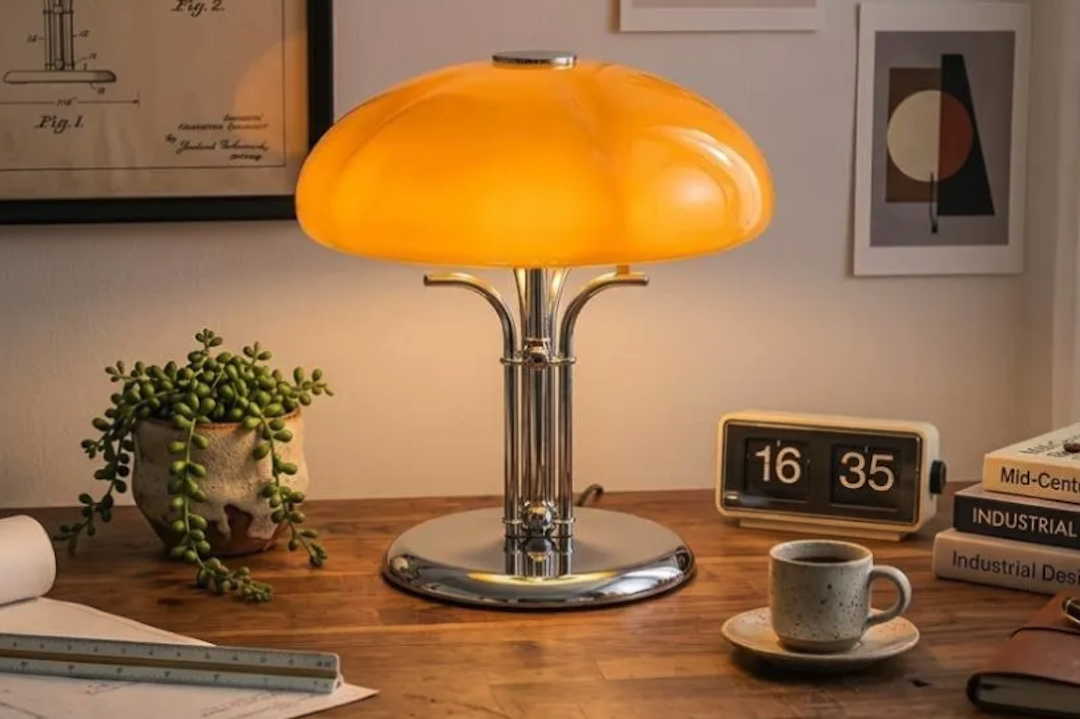
Look for lamps made from certain materials. Chrome is a very common feature, giving a sleek, reflective quality. Brushed steel, sometimes paired with black or white accents, also suggests this aesthetic. Bakelite, a type of early plastic often found in electrical items, might also appear in older lamps. Some lamps might incorporate colored plastics, but even then, the shapes tend to remain unfussy.
Form and Structure
The structure itself should be relatively straightforward. Adjustable arms, often with exposed springs, are a signature of many functional desk lamps from this period. The base will typically be solid and stable, often a simple disc or square. The shade itself is often a simple dome, cone, or cylinder – anything overly ornate is usually a sign it’s not quite what you’re looking for.
Color Schemes
While some 70s lamps could be quite vibrant, those leaning into the Bauhaus aesthetic typically stick to a more restrained palette. Black, white, grey, and metallic tones are common. If colors are present, they are often primary (red, blue, yellow) or earthier tones, used sparingly as accents rather than dominant features.
Integrating the Lamp into Your Modern Space
The beauty of a 70s Bauhaus desk lamp is its adaptability. It doesn’t demand a period-specific room. Instead, it acts as a strong design element that can elevate a variety of contemporary settings.
The Home Office
This is perhaps the most natural fit. A Bauhaus-inspired desk lamp provides excellent task lighting, a fundamental requirement for any workspace. Its clean lines complement minimalist desks and modern office chairs. It adds a touch of classic design without making the space feel dated. Imagine a sleek wooden desk, a modern monitor, and a shining chrome lamp – a timeless combination that promotes focus.
Living Room Accent
A smaller Bauhaus desk lamp can work wonderfully as an accent on a side table or console. It can provide ambient lighting for reading or simply serve as a sculptural element. If your living room leans towards mid-century modern or even industrial chic, this type of lamp will feel right at home. It can bridge the gap between different design periods if you’re aiming for an eclectic look.
Bedroom Functionality
For a bedside table, a compact 70s Bauhaus lamp can offer both reading light and a statement piece. Its often-adjustable nature means you can direct light exactly where you need it without disturbing a partner. Paired with minimalist bedding and clean nightstands, it creates a calm, uncluttered sleeping environment.
Where to Find Your Vintage Gem
The hunt for a vintage desk lamp can be part of the fun. There are numerous avenues to explore, each with its own advantages and potential pitfalls.
Online Marketplaces
Platforms like Etsy, eBay, and specialized vintage furniture sites are treasure troves. You’ll find a wide selection from sellers across the globe. Be sure to check seller ratings, examine all photos carefully, and inquire about the lamp’s electrical condition. Asking for extra pictures or details about the wiring is a good idea. Shipping costs can be a factor, especially for heavier items.
Local Flea Markets and Antique Shops
These physical locations offer the advantage of seeing the lamp in person before you buy. You can assess its condition, check for wobbles, and sometimes even plug it in to ensure it works. Flea markets often allow for negotiation on price. Antique shops might have already done some of the restoration work, but this will likely be reflected in a higher price point.
Estate Sales and Auctions
For those with a keen eye and a bit of patience, estate sales and auctions can yield incredible finds. You might discover a lamp that’s been overlooked but is in fantastic condition. Prices can be unpredictable, but there’s always the chance of a genuine bargain. Be prepared to do your own research on specific pieces before bidding or buying.
Essential Practical Considerations Before You Buy
Beyond aesthetics, there are important practicalities to address when acquiring a vintage lamp. These steps ensure your new acquisition is safe and functional.
Electrical Safety Checks
This is paramount. Older wiring can degrade overtime and pose a fire hazard. Even if a lamp appears to work, it’s advisable to have it inspected by a qualified electrician. An electrician can check the cord, plug, socket, and internal wiring. If necessary, rewiring is a straightforward process and a worthwhile investment for safety and longevity.
Rewiring Basics
Rewiring typically involves replacing the old cord and plug with a new, CSA or UL certified one. The socket might also need replacement if it’s damaged or corroded. This can often be done by a competent DIY enthusiast, but if you’re at all unsure, professional help is recommended. Modern lamps often have polarized plugs and grounding wires, which older lamps may lack, requiring an update for full safety.
Bulb Compatibility
Vintage lamps often use specific bulb types. Ensure the lamp’s socket is compatible with standard modern bulbs (E26/E27 for screw-in bases, or GU10/MR16 for spotlights). LED bulbs are an excellent choice for vintage lamps – they’re energy-efficient, produce less heat, and are available in various color temperatures to suit your preference. Just confirm the vintage socket can handle the wattage, though with LEDs, this is rarely an issue.
Stability and Durability
Give the lamp a good once-over. Are all parts firmly attached? Does it wobble? A stable base is crucial for a desk lamp, especially if it has moving parts. Check for dents, rust, or significant scratches that might detract from its appearance or compromise its structural integrity. While minor imperfections are part of a vintage item’s charm, anything that affects its core function or safety should be scrutinized.
Cleaning and Restoration
Once you’ve secured your lamp and ensured electrical safety, a good cleaning can make a huge difference.
Chrome and Metal Surfaces
For chrome, a soft cloth and a gentle chrome cleaner can bring back its shine. Avoid abrasive scrubbers that can scratch the finish. For other metals, use appropriate metal polish and follow the instructions carefully. Sometimes just warm soapy water and a soft cloth are enough for general dust and grime.
Plastic Components
Plastic parts can be cleaned with mild soap and water. Avoid harsh chemicals that might discolor or damage the plastic. If there is yellowing, a very gentle application of hydrogen peroxide and UV light (a process sometimes called “retrobrite”) can sometimes improve the appearance, but proceed with caution and test on an inconspicuous area first.
General Maintenance
Periodically wipe down the lamp to prevent dust buildup. Check the tightening of any adjustable screws or joints. If you notice any flickering or inconsistent lighting, have the wiring rechecked. A well-maintained vintage lamp can last another lifetime.
Bringing a 70s Bauhaus-inspired desk lamp into your home is more than just a decor choice; it’s an appreciation of enduring design principles. It’s about choosing an object that is both beautiful and functional, a piece of industrial art that serves a practical purpose. This aesthetic isn’t about fleeting trends; it’s about a consistent commitment to form, function, and thoughtful design that remains relevant and stylish decade after decade. By carefully selecting and safely integrating one of these vintage gems, you’re not just adding light to your space; you’re adding character and a tangible connection to a rich design history. It’s a statement about valuing objects that were built to last and to perform well, a welcome contrast to much of what’s produced today.