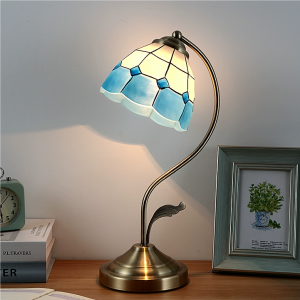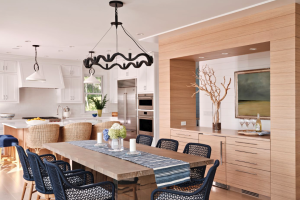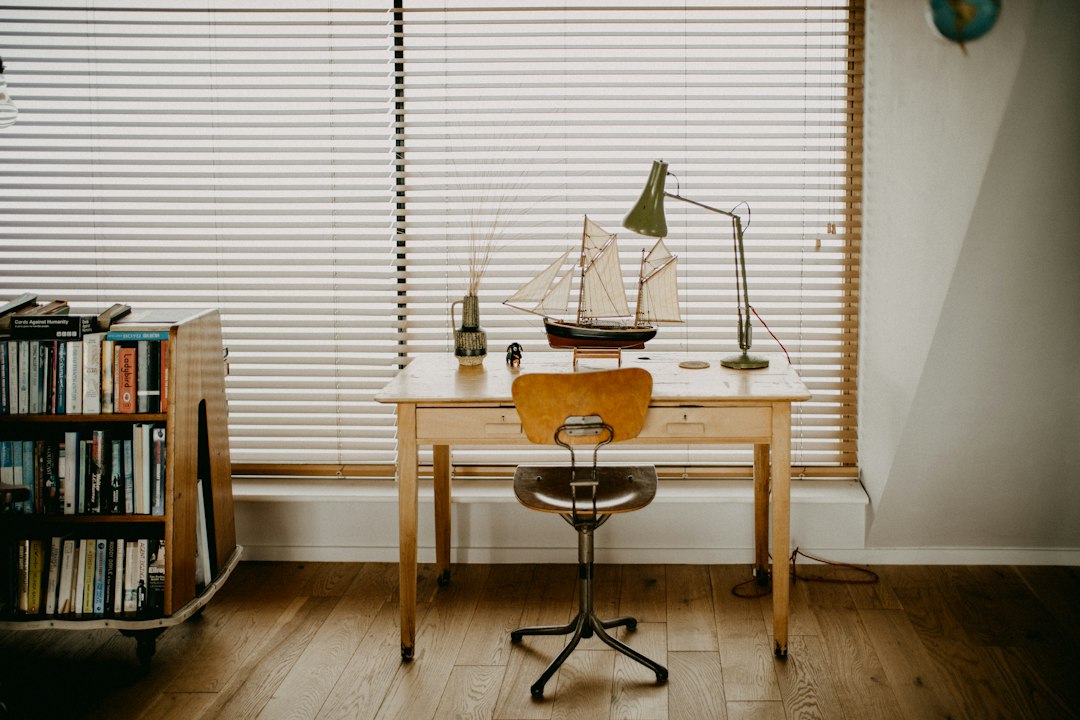
Finding the right lamp for your workspace can make a real difference in how you feel and how productive you are. A vintage-inspired ribbed glass reading lamp is a fantastic choice for adding both functionality and a charming aesthetic to your desk. These lamps aren’t just about looking good; they provide focused, comfortable lighting that’s perfect for long periods of reading or working, all while bringing a touch of timeless style that can make your workspace feel genuinely cozy and inviting.
Why Ribbed Glass and Vintage Style Work So Well
Let’s break down why this particular combination of design elements is so effective. It’s not just about aesthetics; there’s a lot of practical thought behind why these lamps are so popular.
The Magic of Ribbed Glass
Ribbed glass isn’t just pretty; it actually serves a purpose in diffusing light. When light passes through those subtle ridges, it gets gently scattered. This scattering effect helps to reduce harsh glare and soften the light, making it less strenuous on your eyes, especially during extended reading sessions. Think of it like a natural light filter. Instead of a single, intense beam, you get a broader, more even illumination across your workspace. This diffused light is also excellent for minimizing shadows, which can be a real nuisance when you’re trying to concentrate on small details or text. It creates an atmosphere that’s both bright enough to work by and gentle enough to feel comfortable and cozy.
Embracing the Vintage Aesthetic
The “vintage-inspired” aspect is all about tapping into design elements from past eras – often early to mid-20th century – that evoke feelings of nostalgia, quality, and enduring style. These aren’t necessarily antique lamps, but new ones crafted with old-world charm. This could mean incorporating classic materials like brass, aged bronze, or even darker metals. The shapes tend to be more traditional, perhaps with a bell-shaped shade, an articulated arm, or a sturdy, weighted base.
What makes vintage style so appealing for a workspace is its ability to ground the space. In a world of sleek, minimalist, and often cold modern designs, a vintage piece offers warmth, character, and a sense of history. It feels more personal, less generic. It tells a story, even if it’s a new story woven with old threads. This can be incredibly comforting in a workspace, transforming it from a purely functional area into a personal sanctuary where you feel at ease and inspired. It avoids the starkness of many contemporary office setups and instead invites you to settle in and enjoy your work.
Practical Benefits for Your Workspace
Beyond looking great, a vintage-inspired ribbed glass reading lamp offers some really tangible advantages that can improve your daily work or reading experience.
Superior Task Lighting
The primary purpose of a reading lamp is, of course, to provide good light for tasks. These lamps excel at it. The design, often featuring an adjustable arm or head, allows you to direct the light precisely where you need it. This is crucial for activities like reading books, working on detailed projects, writing, or even intricate crafts. By focusing the light on your immediate work area, you reduce eye strain caused by insufficient or uneven illumination.
Consider the difference between ambient room lighting and dedicated task lighting. Ambient light might brighten the whole room, but it often leaves your immediate workspace in shadow or with insufficient brightness. A good task lamp eliminates this problem by concentrating light directly onto your book or keyboard. The ribbed glass further refines this by softening the light, preventing glare off glossy pages or screens, making long reading or working sessions much more comfortable. It’s about making your eyes work less hard, which in turn reduces fatigue and can even prevent headaches.
Enhancing Ambiance and Mood
Lighting has a profound impact on our mood and the overall feel of a room. A vintage-inspired ribbed glass lamp isn’t just a light source; it’s a mood setter. The warm glow emanating from many of these lamps, especially when paired with a lower Kelvin temperature bulb (think soft white or warm white), creates an undeniably cozy and inviting atmosphere. It transforms a potentially sterile workspace into a haven of comfort.
Imagine settling down with a good book or tackling a challenging project under the gentle, diffused light of such a lamp. It’s calming, conducive to focus, and makes the space feel more personal and less like a typical office. This psychological effect is not to be underestimated. A comfortable and aesthetically pleasing environment can significantly boost productivity and creativity. It makes you want to be in that space, rather than just tolerating it. The visual weight and classic lines of a vintage-style lamp also add a touch of sophistication and permanence that modern, lightweight alternatives often lack, contributing to a sense of grounded tranquility.
Durability and Timeless Appeal
One of the great advantages of choosing vintage-inspired designs is that they often prioritize quality materials and construction. Unlike mass-produced, trend-driven items that quickly look dated or fall apart, these lamps are built to last and designed to transcend fleeting fads. Materials like solid metal (brass, bronze, steel) for the base and arm, combined with robust glass shades, ensure that your lamp will stand the test of time both structurally and aesthetically.
Think about the classic designs that have endured for decades – they do so because they are well-made and possess an inherent elegance that doesn’t go out of style. Investing in such a lamp means you won’t feel the need to replace it every few years to keep up with current trends. Its timeless appeal means it will look just as good in ten or twenty years as it does today, fitting seamlessly into evolving decor styles. This makes it a sustainable and cost-effective choice in the long run. It’s an item you can truly cherish and pass down, rather than discard.
Key Features to Look For
When you’re shopping for one of these lamps, it’s helpful to know what details really make a difference. Focusing on these features will help you pick a lamp that’s both functional and beautiful.
Quality of Materials
This is paramount. For a lamp that genuinely feels “vintage-inspired” and will last, you want to look for solid construction.
- Metal Finishes: Opt for materials like solid brass, antique bronze, oil-rubbed bronze, or even matte black steel. These finishes not only look authentic but are also durable. Be wary of lightweight, thin metals that feel cheap or finishes that look like painted plastic. A good metal lamp will have a satisfying weight to its base.
- Ribbed Glass: The glass should be substantial, not flimsy. The ribs should be evenly spaced and well-defined, contributing to that effective light diffusion. Some ribbed glass will be clear, others slightly frosted or with a subtle tint. Consider what kind of light diffusion you prefer. Thicker glass also tends to be more resilient to minor bumps.
- Fabric Cords: Many vintage-style lamps feature braided fabric power cords, often in a complementary color. This isn’t just for looks; it adds to the authentic aesthetic and often feels more substantial and less prone to kinking than standard plastic cords.
Adjustability and Articulation
A truly functional reading lamp allows you to control where the light goes.
- Articulated Arms: Look for lamps with adjustable arms, often featuring swiveling joints or telescopic extensions. This allows you to position the light source precisely over your book or work area, minimizing shadows and maximizing illumination where it’s needed most.
- Swivel Heads: A lampshade that can tilt or swivel is incredibly useful. This enables you to fine-tune the direction of the light without having to move the entire lamp. This is especially handy for avoiding glare on screens or for illuminating different parts of a larger desk surface.
- Stable Base: Any adjustable lamp needs a heavy, stable base to prevent it from tipping over when you adjust its position. A flimsy base will quickly become an annoyance.
Switch Type and Bulb Compatibility
These details might seem minor, but they significantly impact daily use.
- Switch Types:
- Toggle/Rocker Switches: Often found on the base or cord, these are simple and classic.
- Rotary/Dimmer Switches: A rotary switch on the base can be wonderfully convenient, especially if it includes a dimmer function. Being able to adjust the brightness provides ultimate flexibility for different tasks and times of day.
- Pull Chains: While less common on modern vintage-inspired desk lamps, a pull chain adds a very authentic touch to some designs.
- Bulb Socket: Ensure the lamp uses a standard bulb base (e.g., E26 in North America, E27 in Europe) so you have a wide range of bulb choices.
- LED Compatibility: While the lamp itself is vintage-inspired, you’ll likely want to use modern, energy-efficient LED bulbs. Check that the lamp is compatible with LED bulbs, including dimmable ones if the lamp has a dimmer switch. LEDs offer significant benefits:
- Energy Efficiency: They use far less electricity than incandescent bulbs.
- Long Lifespan: LEDs last for years, reducing the hassle of frequent bulb changes.
- Low Heat Output: They produce very little heat, making them safer and more comfortable to be around, especially in a small workspace.
- Color Temperature: You can choose LED bulbs in various color temperatures (measured in Kelvin, K) to fine-tune the ambiance:
- 2700K-3000K (Warm White): Creates a cozy, inviting, and slightly yellowish glow, much like traditional incandescent bulbs. Perfect for reading and relaxing.
- 3500K-4000K (Neutral White/Cool White): Brighter and less yellow, good for tasks requiring alertness, though some might find it less cozy.
- 5000K+ (Daylight): Very bright, blue-white light, excellent for very detailed work or art, but can feel harsh for general use in a cozy setting.
For a cozy workspace charm, aiming for a warm white LED bulb (2700K-3000K) is usually the best bet.
Integrating into Your Workspace Decor
A vintage-inspired ribbed glass lamp isn’t just about functionality; it’s a statement piece. Here’s how to make it sing in your existing decor.
Complementing Existing Styles
The beauty of vintage-inspired items is their versatility. They can often bridge different decor styles, adding warmth and character.
- Traditional/Classic: This is a natural fit. The lamp will seamlessly blend with dark wood furniture, leather accents, and classic bookshelves, reinforcing a sense of timeless elegance. Think library or study.
- Transitional: If your decor blends traditional and modern elements, this lamp can be a grounding piece. It provides a touch of classic charm without being overly ornate, softening the modern edges and adding warmth.
- Industrial: With its metal components (especially in darker finishes like bronze or black) and glass elements, a vintage-inspired lamp can surprisingly complement an industrial aesthetic. It can add a touch of refined grit that balances exposed brick or raw metal surfaces.
- Bohemian: The lamp can introduce a grounded, antique feel amidst eclectic textiles, plants, and travel-inspired decor. It adds a touch of functional artistry without clashing with the free-spirited vibe.
- Mid-Century Modern: While distinctly different, a vintage-inspired lamp with clean lines and classic materials can surprisingly coexist with Mid-Century Modern pieces. It offers a touch of older charm that harmonizes with the emphasis on quality and enduring design from that era.
The key is to consider the lamp’s finish and overall silhouette. A lamp with clean lines and a simple, darker metal finish will be more adaptable than one with elaborate ornamentation.
Placement for Maximum Impact and Functionality
Where you put the lamp matters for both its aesthetic appeal and its practical use.
- On a Desk/Credenza: This is the most common and often best placement for a reading lamp. Position it to the side of your dominant hand (e.g., left side if you’re right-handed) to avoid casting shadows on your work. Ensure it doesn’t take up too much valuable surface area if your desk is small. Its height should be appropriate so the light source is above eye level but close enough to illuminate your work area effectively.
- Beside a Cozy Reading Chair: If your “workspace charm” includes a comfy chair for reading or reflecting, a small table beside it with this lamp can create an inviting reading nook. Here, the focus is less on direct task lighting and more on creating an ambient, comfortable glow.
- On a Shelf: For smaller lamps or those with a more decorative base, placing it on a sturdy shelf can add vertical interest and provide subtle ambient light to a specific area, perhaps above a collection of books or decorative objects.
- Consider the Backdrop: Think about what’s behind the lamp. A plain wall might highlight its silhouette, while a patterned wallpaper or a bookshelf full of books can create a richer, more layered visual.
Pairing with Other Elements
To truly cultivate that “cozy workspace charm,” consider how the lamp interacts with other items.
- Natural Materials: Pair the lamp with other natural materials like wood (desk, shelves), leather (chair, desk pad), or woven textiles (rugs, throws). These elements enhance the warmth and tactile quality of the space.
- Greenery: A small plant on the desk or nearby can bring life and freshness, contrasting beautifully with the lamp’s classic design.
- Personal Touches: Surround the lamp with items that reflect your personality and interests – framed photos, unique stationery, vintage objects, or meaningful trinkets. These personal touches are what truly make a workspace feel “cozy” and “charming.”
- Books: Naturally, books are a perfect companion for a reading lamp. Stacked artfully or neatly arranged on shelves, they reinforce the intellectual and comforting atmosphere.
- Cohesive Color Palette: While the lamp itself might be a neutral metal, think about how its light and the color of its cord fit into your room’s overall color scheme. Warm whites and creams, deep greens, blues, or even rich terracotta can create a very inviting atmosphere when combined with the warm glow of such a lamp.
By thoughtfully integrating your vintage-inspired ribbed glass reading lamp, you’re not just adding a light source; you’re crafting an experience – a workspace that feels personal, productive, and wonderfully inviting.
Maintenance and Care Tips
Keeping your vintage-inspired ribbed glass lamp in great shape is straightforward, but a few simple practices will ensure it continues to look and perform its best for years to come.
Cleaning the Ribbed Glass Shade
The ribbed texture, while beautiful, can sometimes collect dust a little more than smooth glass.
- Regular Dusting: For everyday maintenance, a soft, dry microfiber cloth is usually sufficient. Gently wipe down the shade to remove any surface dust. Do this weekly or bi-weekly.
- Deeper Clean (Occasionally): If the glass appears cloudy or has fingerprints, you’ll need a slightly more thorough approach.
- Unplug the Lamp: Always, always unplug the lamp before cleaning, especially if you’re using any moisture.
- Remove the Shade (if possible): Many shades can be carefully removed from the fixture. This makes cleaning much easier and safer.
- Mild Soap and Water: Mix a small amount of mild dish soap with warm water. Dampen a soft cloth (or a soft-bristled brush, like a clean paintbrush, for getting into the grooves) with this solution.
- Wipe Gently: Gently wipe down the glass, paying attention to the ribbed sections. Avoid abrasive cleaners or harsh scrubbing pads, as these can scratch the glass.
- Rinse (Optional, if removed): If you’ve removed the shade, you can rinse it under running water to remove all soap residue.
- Dry Thoroughly: Crucially, dry the glass thoroughly with a clean, lint-free cloth. Water spots can dull the finish once dry.
- Reassemble: Ensure the shade is completely dry before reattaching it to the lamp and plugging the lamp back in.
Caring for Metal Finishes
Different metal finishes require slightly different care to maintain their luster and prevent damage.
- General Dusting: Like the glass, the metal components (base, arm) should be regularly dusted with a soft, dry microfiber cloth.
- Brass/Polished Metals: For brass or other polished metals, avoid harsh chemicals or abrasive cleaners. If a deeper clean is needed, a very slightly damp cloth followed by immediate drying will usually suffice. For genuine brass that might tarnish over time (which some appreciate as part of its vintage charm), you can use a brass cleaner, but always test on an inconspicuous area first and follow the product instructions carefully. Often, gentle polishing with a soft cloth is all that’s needed to restore shine.
- Antique Bronze/Oil-Rubbed Bronze: These finishes are often designed to have a darker, aged look. Avoid abrasive cleaners or polishes that could strip away the applied finish. A soft, dry cloth is best. If there’s a stubborn spot, a very slightly damp cloth with plain water, immediately dried, is the safest bet. The beauty of these finishes often lies in their slight imperfections and patina over time.
- Matte Black/Painted Finishes: Again, a soft, dry cloth is usually all that’s needed. For smudges, a slightly damp cloth with plain water, followed by immediate drying, will work. Avoid anything abrasive that could scratch or dull the matte finish.
- Avoid Harsh Chemicals: Never use ammonia-based cleaners (like window cleaner), bleach, or abrasive scrubs on any metal finishes, as they can cause irreparable damage, discoloration, or strip protective coatings.
Bulb Replacement and Electrical Checks
While LED bulbs last a long time, eventually you’ll need to replace them, and it’s good to periodically check the electrical components.
- Bulb Replacement:
- Unplug the Lamp: This is a non-negotiable safety step.
- Allow Bulb to Cool: If you’re replacing an incandescent bulb, allow it to cool down completely before touching it. LEDs produce less heat but can still be warm.
- Match Wattage/LED Equivalent: When replacing, ensure you use a bulb that matches the lamp’s maximum wattage rating (if applicable) or an LED equivalent. If the lamp specifies a max 60W incandescent, an LED bulb that consumes 8-10W but produces 60W equivalent light is perfectly fine and encouraged.
- Twist Carefully: Gently twist the old bulb counter-clockwise to remove it, and the new bulb clockwise to install it, ensuring it’s snug but not overtightened.
- Cord and Plug Inspection: Periodically (perhaps once a year), quickly inspect the lamp’s power cord and plug.
- Look for any signs of fraying, cuts, or exposed wires on the cord.
- Check if the plug feels loose in the outlet or if it’s discolored around the prongs, which could indicate overheating.
- If you notice any damage, discontinue use immediately and have it repaired by a qualified electrician or replace the lamp. Never try to repair electrical cords yourself if you’re not experienced.
- Switch Functionality: Test the switch periodically to ensure it’s operating smoothly. If it feels loose or inconsistent, it might be a sign of wear.
By dedicating a little time to these simple maintenance tasks, your vintage-inspired ribbed glass reading lamp will continue to be a cherished and functional element of your cozy workspace for many years to come. It’s an investment in both style and usability, and a little care goes a long way.