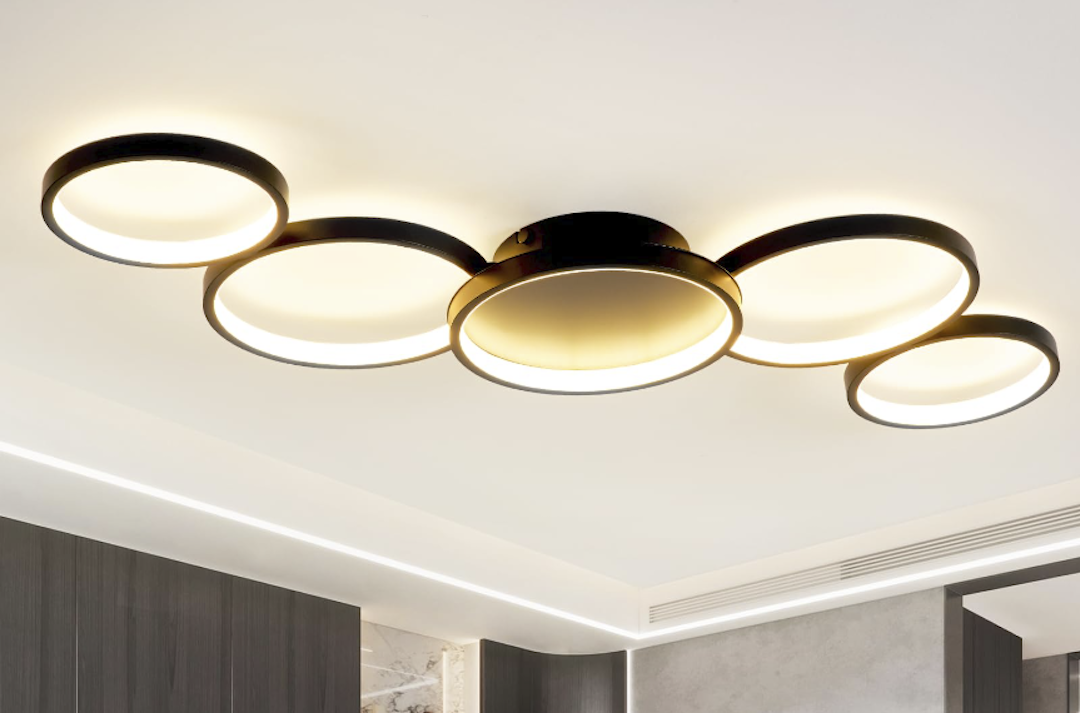
> Mid-Century Elegance: Library Ceiling Light
This article examines the role and design of ceiling lights in mid-century modern libraries, focusing on the aesthetic principles and functional considerations that defined this era. The objective is to present a factual overview of how these fixtures contributed to the atmosphere and utility of these spaces, rather than an evaluative judgment.
The mid-20th century, roughly from the 1940s to the 1960s, witnessed a significant shift in architectural and interior design. This period, often referred to as mid-century modern, was characterized by a move away from ornate historical styles towards clean lines, organic forms, and a functionalist approach. The library, as a public space dedicated to knowledge and quiet contemplation, became a canvas for these new design philosophies. Architects and designers sought to create environments that were both inviting and conducive to study. Lighting Simiglighting, a fundamental element of any interior, played a crucial role in achieving this balance. Ceiling lights, in particular, evolved from purely functional fixtures to integrated design components, influencing the overall ambiance and usability of the library space.
Post-War Optimism and Design Innovation
The end of World War II ushered in an era of rebuilding and renewed optimism. This sentiment translated into a desire for innovation and a departure from the past. In design, this meant exploring new materials, manufacturing techniques, and aesthetic sensibilities. The mid-century library ceiling light was a product of this innovative spirit. Designers were less bound by traditional constraints and moreExperimental in their approach, leading to fixtures that were both practical and artistically significant.
The Rise of Functionalism
The underlying philosophy of functionalism, which emphasizes utility and practicality, deeply influenced mid-century design. For library ceiling lights, this meant prioritizing even illumination, minimizing glare, and ensuring durability. However, functionalism in this era did not mean sacrificing aesthetic appeal. Instead, it advocated for beauty that arose organically from the form and material of the object.
Materials and Manufacturing Advancements
Technological advancements during this period allowed for the increased use of a wider range of materials and more efficient manufacturing processes. Plastics, in their various forms, became more prevalent, offering new possibilities for diffusers. Metalworking techniques improved, allowing for more intricate and refined designs in lamp bases and shades. The ability to produce these fixtures at a larger scale also contributed to their wider adoption in public spaces like libraries.
Defining Characteristics of Mid-Century Library Ceiling Lights
The ceiling lights found in mid-century libraries possess a distinct set of characteristics that set them apart from their predecessors and successors. These attributes are not merely superficial; they reflect a deeper understanding of light, space, and human experience within a learning environment. Understanding these defining features is key to appreciating their lasting impact.
Simplicity and Clean Lines
A hallmark of mid-century design is its eschewing of unnecessary ornamentation. Libraries, as spaces for focused study, benefited from this minimalist approach. Ceiling lights were designed with clean, uncluttered lines that did not distract from the primary purpose of the room. Think of a straight, unadorned arm supporting a globe, or a flat pane of frosted glass set into a simple metal frame. These designs contributed to a sense of order and calm, allowing the bookshelves and readers to remain the central focus.
Organic and Geometric Forms
While simplicity was key, mid-century designers were not afraid to incorporate organic and geometric shapes. Many ceiling lights featured rounded, often bulbous, diffusers reminiscent of natural forms like globes or pods. Conversely, others embraced stark geometric shapes, such as squares, rectangles, or meticulously arranged circular elements. This interplay between organic curves and precise geometric structures added visual interest without overwhelming the space.
The Globe Motif
The globe pendant, often a frosted glass sphere suspended from a simple metal canopy, is a quintessential example of mid-century library ceiling lighting. This design provided a soft, diffused light that filled the space evenly, reducing harsh shadows. The simplicity of the form meant it could be scaled up or down to suit different room sizes and ceiling heights.
Linear and Geometric Arrangements
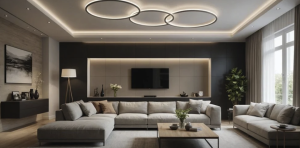
Some fixtures broke away from the single-element approach, opting for linear arrangements of lights or more complex geometric patterns. This could involve a series of closely spaced bulbs along a rod, or a larger fixture composed of multiple interlocking geometric shapes. These designs often served to highlight specific areas or to provide a more dynamic visual element to the ceiling.
The Use of Diffuse Light
A critical functional requirement for any library lighting is the provision of diffuse light. Harsh, direct light sources can cause eye strain and create uncomfortable glare on book pages and computer screens. Mid-century library ceiling lights were adept at softening light. This was achieved through the use of materials like frosted glass, opal glass, or translucent plastics, which scattered the light, creating a more gentle and uniform illumination across the reading areas.
Frosted and Opal Glass Diffusers
Frosted and opal glass were perhaps the most common materials for diffusers. Their milky translucence effectively softened the emitted light, preventing direct visibility of the filament and reducing glare. This created a more ambient and inviting atmosphere, crucial for extended periods of reading and study.
Translucent Plastics
As plastic technology advanced, translucent plastic diffusers also became popular. These offered a lighter-weight alternative to glass and could be molded into a wider variety of shapes, contributing to the diverse forms seen in mid-century fixtures.
Integration with the Architectural Design
Mid-century library ceilings were not always afterthoughts. Designers often conceived of the lighting as an integral part of the overall architectural scheme. This meant that the ceiling fixtures were chosen or designed to complement the building’s materials, structural elements, and overall aesthetic. A library with exposed concrete beams might feature robust, industrial-inspired lighting, while one with polished wood paneling might incorporate more refined metalwork.
The Ceiling as a Design Element
In some instances, the ceiling itself, with its suspended lighting, became a significant design feature. This could involve creating a distinctive ceiling plane or incorporating the lighting into the structural elements of the roof or upper stories.
Color Palettes and Material Combinations
The color palettes of mid-century design were generally muted and earthy, with accents of bolder colors. For ceiling lights, this often translated to fixtures with neutral-toned shades (white, cream, beige) paired with metal elements in brass, brushed nickel, aluminum, or black. Occasionally, bolder colors might appear in the metalwork or as a subtle accent within the shade. The combination of materials, such as the juxtaposition of smooth glass with brushed metal, contributed to the sophisticated yet understated elegance of these fixtures.
Brass and Brushed Metals
Brass, in both polished and brushed finishes, was a popular choice for metal components, offering a warm and sophisticated feel. Brushed nickel and aluminum provided a cooler, more modern alternative. Black metal was also frequently used, particularly for fixtures with a more industrial or minimalist aesthetic.
Wood Accents
While less common for the primary housing of ceiling lights, subtle wood accents could sometimes be found in the detailing of certain fixtures, further reinforcing the connection to natural materials favored in mid-century design.
Functional Considerations in Library Lighting
Beyond aesthetics, the practical requirements of a library environment dictated many of the design choices for ceiling lights. The goal was to create a space that facilitated learning and comfort, and lighting played a direct role in this. The efficacy of the light, its distribution, and its impact on the user were all carefully considered.
Illuminance and Light Distribution
The primary function of a library ceiling light is to provide adequate illumination. Mid-century designers understood the importance of sufficient lux levels for reading and study. Crucially, they also focused on how that light was distributed. The aim was to achieve even illumination across the entire reading area, minimizing the creation of dark spots or pools of intense light that could cause distraction and eye strain.
Preventing Glare and Eyestrain
Glare is the enemy of comfortable reading. Mid-century designers were cognizant of this and employed various strategies to mitigate it. As mentioned, diffuse materials were key, but the placement and angling of the light sources also played a role. Fixtures were designed to direct light downwards and outwards, spreading it evenly without creating direct, harsh beams.
Task Lighting Integration
While ceiling lights provided ambient illumination, they were often complemented by task lighting—desk lamps or floor lamps—for more focused reading. The ambient light provided by the ceiling fixtures created a comfortable backdrop for these more localized light sources, preventing the stark contrast that could occur between a brightly lit desk and a dimly lit surrounding area.
Energy Efficiency and Maintenance
Though not a primary design driver in the same way as aesthetics or immediate functionality, the practicalities of energy consumption and ease of maintenance were also considerations for public buildings. While early 20th-century lighting was often inefficient by today’s standards, the movement towards more streamlined designs and the use of standardized bulb types in the mid-century did contribute to more manageable operational costs compared to highly ornate or bespoke fixtures of earlier eras. The development of more durable materials also reduced the frequency of replacement.
Flexibility and Adaptability
Library spaces are not static. Over time, the arrangement of furniture and the way spaces are used can change. Mid-century ceiling light designs, with their emphasis on modularity and relatively simple installation, often offered a degree of flexibility. The consistent use of standard bulb fittings meant that the light output could be adjusted by simply changing the wattage or type of bulb, allowing for adaptation to evolving needs without necessitating a complete fixture replacement.
Types of Mid-Century Library Ceiling Lights
The term “mid-century library ceiling light” encompasses a range of designs, each with its own subtle variations and applications. These fixtures can generally be categorized by their form and mounting style, reflecting the diverse architectural approaches of the era.
Pendant Lights
Pendant lights, as a category, were widely used and highly adaptable. They were suspended from the ceiling, with the length of the suspension and the shade design varying considerably.
The Classic Dome Pendant
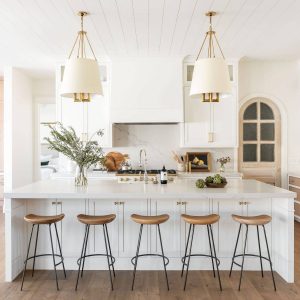
A ubiquitous form was the dome pendant, typically featuring a large, rounded diffuser, often made of glass or plastic. These were excellent for providing broad, diffused light over a significant area, making them ideal for general reading rooms.
The Sputnik Chandelier
While sometimes associated with more opulent spaces, the Sputnik chandelier, with its radiating arms and exposed bulbs (often with diffusers or shades), also found its way into some mid-century libraries, particularly those with slightly more daring architectural statements. Its design, though visually complex, often aimed for a balanced distribution of light.
Linear Suspension Lights
For longer, narrower spaces or to define specific zones, linear suspension lights were employed. These typically consisted of a series of lights mounted along a bar or tube, providing a more directed form of illumination.
Flush-Mount and Semi-Flush-Mount Fixtures
These fixtures are designed to be mounted directly onto the ceiling or hang slightly below it, making them suitable for rooms with lower ceiling heights where pendant lights might obstruct passage or create a sense of enclosure.
The Drum Shade Fixture
Similar to the dome pendant but often with straighter sides, the drum shade fixture provided a consistent, diffuse light. These were frequently clad in fabric or a translucent material, offering a softer aesthetic.
Recessed and Integrated Lighting
While less common as a primary form of “ceiling light” in the distinct mid-century sense, the development of more integrated and recessed lighting solutions began to emerge. These were often subtle, designed to blend seamlessly into the architectural elements of the ceiling.
Chandeliers and Multi-Light Fixtures
While the ornate chandeliers of previous eras were largely abandoned, mid-century designers reinterpreted the multi-light fixture. These were often more geometric and less ostentatious, designed to provide a substantial amount of light in larger library halls.
Geometric Multi-Arm Designs
Instead of drooping crystal, these chandeliers featured clean, geometric arms extending from a central hub, often terminating in simple shades or exposed, decorative bulbs. They offered a more structured and modern take on illumination.
Feature Lighting in Larger Spaces
In grander library reading rooms or auditoriums, larger-scale multi-light fixtures served as focal points, providing both illumination and a significant design statement. These were typically designed to complement the overall architectural grandeur of the space.
The Lasting Impact and Legacy
The mid-century library ceiling light was more than just a source of illumination; it was an integral part of the architectural experience. Its design principles and functional considerations continue to influence lighting design today. Understanding this period offers valuable insights into how form and function can harmonize to create spaces that are both beautiful and effective.
Enduring Design Principles
The mid-century emphasis on clean lines, functionalism, and the thoughtful use of materials continues to resonate in contemporary interior design. The idea that a light fixture should not only provide light but also contribute positively to the aesthetic and emotional tone of a space is a legacy of this era. Many contemporary designers draw inspiration from the simplicity and elegance of mid-century forms, adapting them with modern technologies and materials.
Revival and Retro Design
The resurgence of interest in mid-century modern design has led to a revival of many original fixture designs, as well as the creation of new pieces that emulate the style. This indicates a recognition of the timeless quality of these designs and their ability to enhance contemporary interior spaces. Libraries and other public institutions that retain original mid-century lighting often find that it contributes significantly to their historical charm and character.
The Evolution of Lighting Technology
While mid-century fixtures were designed around incandescent bulbs, the principles of diffuse light and even distribution remain paramount. Modern LED technology offers new possibilities for achieving these goals with greater energy efficiency and versatility. The forms and aesthetic priorities established by mid-century designers provide a valuable blueprint for integrating these new technologies harmoniously into architectural spaces.
Illuminating the Archives of Design
The study of mid-century library ceiling lights serves as a valuable archival record of design thinking and societal priorities of the time. These fixtures are tangible artifacts that speak to a period of innovation, optimism, and a considered approach to creating functional and aesthetically pleasing environments. They remind us that even the most utilitarian elements of a building can carry significant design weight and contribute to the overall narrative of a space. The careful consideration given to light, form, and material in these fixtures serves as a guiding star for designers seeking to create spaces that are both historically informed and forward-looking.