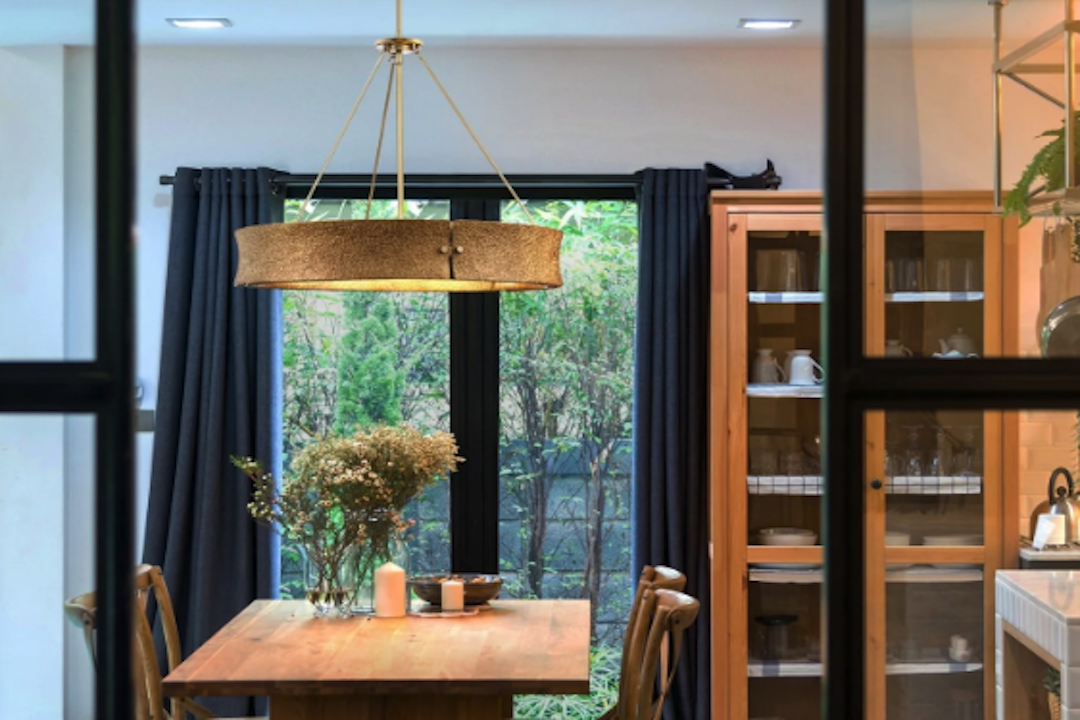
The “Rustic Elegance: Modern Mixed-Tone Chandelier” is a commercially available lighting fixture designed to bridge divergent aesthetic styles. This article examines its design philosophy, construction, functional attributes, and its position within contemporary interior design trends.
The core principle behind the Rustic Elegance chandelier Simiglighting is the synthesis of two distinct design approaches: rustic and modern. Rustic design, historically characterized by natural materials, organic forms, and an unrefined sensibility, is juxtaposed with modern design, which emphasizes clean lines, geometric shapes, and a minimalist aesthetic. This intentional hybridization aims to create a fixture that is both visually engaging and stylistically versatile.
The Rustic Component
The rustic aspect of the chandelier is primarily conveyed through its material palette and inherent textural qualities. This might include:
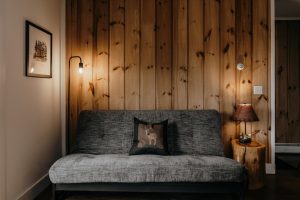
- Wood Accents: Often utilizing reclaimed or distressed wood, mimicking the aged appearance of natural timber. The grain and imperfections of the wood are typically left visible, contributing to a sense of authenticity rather than polished perfection.
- Metal Finishes: Frequently incorporating darker, muted metal tones such as oil-rubbed bronze, matte black, or brushed nickel. These finishes avoid high reflectivity, aligning with the subdued character of rustic aesthetics.
- Organic Silhouettes: While not overtly literal, the design may evoke natural forms through subtle curves or asymmetrical arrangements, avoiding harsh, purely rectilinear constructs.
The Modern Component
Conversely, the modern elements introduce a sense of refinement and contemporary relevance. These manifest through:
- Geometric Forms: The overall structure often adheres to geometric principles, employing clean lines, defined angles, or a structured framework. This contrasts with the often free-form nature of purely rustic fixtures.
- Streamlined Proportions: The scale and balance of the chandelier are typically considered for a sleek appearance, avoiding unnecessary bulk or elaborate ornamentation.
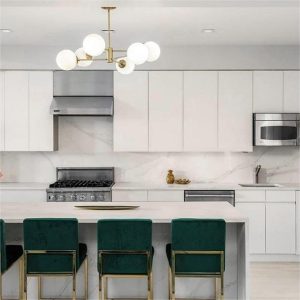
- Mixed Tones: The “mixed-tone” nomenclature directly refers to the deliberate combination of different material finishes or colors. This contrast itself is a modern design characteristic, aiming for visual interest through material interplay rather than monolithic uniformity. For example, a dark metal frame might be accented with lighter wood elements, creating a subtle visual dialogue.
Intentional Juxtaposition
The success of the Rustic Elegance chandelier lies in its ability to avoid a disjointed appearance despite blending these disparate styles. This is achieved through careful proportioning and a restrained use of embellishment. The design metaphorically acts as a translator between two different visual languages, finding common ground without sacrificing the essence of either.
Construction and Materials
Understanding the construction and materials used in the Rustic Elegance chandelier reveals its inherent quality and durability. Manufacturers typically prioritize materials that can withstand environmental factors and contribute to the fixture’s long-term aesthetic integrity.
Primary Materials
Common primary materials include:
- Steel: As the foundational structural element, steel provides strength and rigidity. It is frequently powder-coated or electroplated to achieve the desired metallic finishes.
- Solid Wood: When wood is incorporated, it is typically solid, rather than veneer, to enhance durability and provide genuine textural depth. The type of wood varies, but often includes oak, pine, or similar commercially available species chosen for their grain patterns and resilience.
- Glass: Lamp shades, if present, are usually made from clear, frosted, or seeded glass. Seeded glass, with its small trapped air bubbles, offers a subtle textural element that can complement the rustic aesthetic by diffusing light in a softer, less precise manner.
Finishing Processes
The finishing processes are critical to achieving the “mixed-tone” effect and ensuring longevity:
- Powder Coating: For metal components, powder coating offers a durable, chip-resistant finish. This method allows for a wide range of colors and textures, from matte blacks to various bronze hues.
- Electroplating: Used for metallic finishes requiring a specific sheen or color, such as brushed nickel. This process creates a thin, uniform metallic layer over the base material.
- Wood Staining and Sealing: Wood elements are typically stained to achieve specific color variations, from light natural tones to darker, aged appearances. A sealant is then applied to protect the wood from moisture and wear, while often maintaining its natural tactile quality.
Quality Control
Reputable manufacturers implement quality control measures throughout the production process. This includes:
- Material Inspection: Ensuring raw materials meet specified standards for strength, appearance, and absence of defects.
- Assembly Precision: Verifying that all components fit together accurately, without visible gaps or misalignment.
- Finish Uniformity: Checking for consistent application of coatings and stains, ensuring a uniform and durable finish across all surfaces.
Functional Attributes and Illumination
Beyond its aesthetic appeal, the Rustic Elegance chandelier serves as a primary lighting source. Its functional attributes relate directly to its ability to illuminate a space effectively and efficiently.
Light Source Compatibility
The chandelier is designed to accommodate various lamp types, providing flexibility for different lighting needs:
- Incandescent Bulbs: While less energy-efficient, incandescent bulbs provide a warm, traditional glow that can enhance the rustic aesthetic.
- LED Bulbs: Increasingly common, LED bulbs offer energy efficiency, longevity, and a wide range of color temperatures, including warmer white options that can mimic incandescent light.
- Dimmable Functionality: Many models are designed to be compatible with dimmer switches, allowing users to control the intensity of light and create various ambiances, from bright task lighting to soft, ambient illumination.
Illumination Coverage
The number and placement of light sources within the chandelier dictate its illumination coverage:
- Multi-Arm Design: Typically, these chandeliers feature multiple arms extending from a central column, each supporting a light socket. This design promotes wider light distribution, minimizing shadowing and ensuring even illumination across a room.
- Downward and Upward Illumination: Depending on the shade design, light can be directed downwards for task lighting or upwards to create ambient light by reflecting off the ceiling. Open-cage designs allow for omnidirectional light emission.
Ease of Installation and Maintenance
Considerations for installation and maintenance are practical aspects that influence user experience:
- Standard Mounting Hardware: The chandelier usually comes with standard mounting hardware compatible with typical ceiling junction boxes.
- Clear Installation Instructions: Comprehensive instructions, often accompanied by diagrams, are provided to guide the installation process.
- Accessible Bulb Sockets: Bulb sockets are designed to be easily accessible for replacement.
- Surface Cleaning: The materials used, particularly powder-coated metals and sealed wood, are generally easy to clean with a soft, dry or damp cloth, requiring minimal specialized maintenance.
Placement and Application
The versatility of the Rustic Elegance chandelier allows for its integration into a diverse array of interior spaces and design schemes. Its ability to bridge stylistic divides makes it a flexible choice for various room typologies.
Dining Areas
As a focal point, the chandelier is frequently installed above dining tables. Its presence defines the dining area, drawing attention and contributing to the overall ambiance for meals and social gatherings. The size and shape of the chandelier should be proportionate to the dining table.
Living Rooms
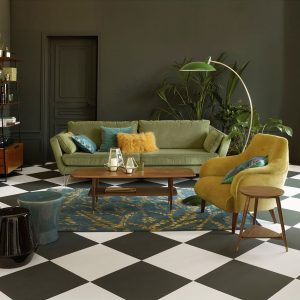
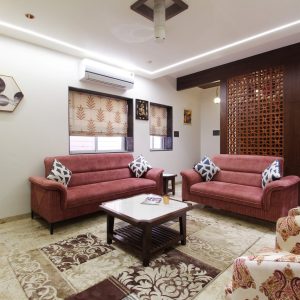
In living rooms, the Rustic Elegance chandelier can serve as the primary overhead lighting fixture. It can complement upholstered furniture, wooden accents, and other elements that lean towards either rustic charm or modern simplicity. For larger living spaces, multiple chandeliers or supplementary lighting might be considered.
Entryways and Foyers
Upon entering a home, the chandelier in an entryway or foyer makes an immediate statement. It provides welcoming illumination and sets the tone for the interior design of the entire residence. The height at which it is hung is crucial in these spaces to avoid obstructing movement while still making an impact.
Integrating with Existing Decor
The “mixed-tone” characteristic makes this chandelier adaptable. When integrating it with existing decor, consider:
- Color Palette: The metal tones (e.g., black, bronze) and wood finishes (e.g., natural, dark stain) should harmonize with existing furniture finishes and wall colors.
- Material Consistency: If other elements in the room feature wood or metal, the chandelier can either echo those materials for a cohesive look or introduce a complementary contrast.
- Scale and Proportion: The size of the chandelier should be appropriate for the room’s dimensions. An oversized fixture can overwhelm a small space, while an undersized one will appear insignificant in a large room.
Market Trends and Design Impact
The emergence and popularity of the Rustic Elegance chandelier reflect broader trends in interior design that favor hybridization and personalized spaces. As consumer preferences shift away from rigid adherence to single design styles, fixtures that offer stylistic flexibility gain traction.
Rise of Transitional Design
The chandelier exemplifies transitional design, a movement that combines elements from both traditional and modern styles. This approach seeks to create interiors that are neither overtly contemporary nor strictly classic, offering a timeless quality that avoids becoming dated too quickly.
Demand for Authenticity and Craftsmanship
The emphasis on natural materials like solid wood and the often-visible textures of metal finishes cater to a growing consumer demand for products that convey authenticity and a sense of craftsmanship. This moves away from mass-produced, sterile aesthetics towards items that suggest a story or a human touch.
Versatility as a Key Selling Point
In a market saturated with specialized design products, the versatility of the Rustic Elegance chandelier is a significant advantage. It allows homeowners to incorporate a statement piece that can evolve with their tastes or adapt to future interior refreshes, rather than being confined to a single narrow aesthetic. This “bridge-builder” quality makes it a durable investment in interior design.
Impact on Interior Designers
For interior designers, these chandeliers offer a tool for creating layered and nuanced spaces. They provide opportunities to:
- Introduce Contrast: Use the fixture to intentionally contrast with other elements, creating visual interest.
- Unify Disparate Elements: Employ the chandelier as a unifying element that ties together furniture and decor from different stylistic origins.
- Define Zones: Especially in open-plan living, a prominent chandelier can help define distinct functional zones without the need for physical partitions.
Conclusion
The Rustic Elegance: Modern Mixed-Tone Chandelier is an example of contemporary furniture design that responds to evolving aesthetic preferences. By effectively synthesizing rustic and modern design principles, it produces a lighting fixture that is both visually compelling and highly adaptable. Its construction prioritizes durable materials and functional efficacy, while its diverse applications highlight its versatility in various interior settings. The enduring relevance of this design type underscores a broader movement towards hybridized and personalized interior spaces, positioning this chandelier not merely as a light source, but as a significant element in a holistic design narrative.