So, you’ve got a log cabin, or you’re dreaming of one, and you’re wondering how to light it up without making it feel like a brightly lit supermarket aisle in the woods? That’s a great question, and thankfully, it’s totally achievable. Modern log cabin lighting is all about blending that cozy, rustic charm with the practicality and style of today. It’s not about banishing the shadows entirely, but about creating warm, inviting spaces that feel both authentic and comfortable. Think about how you use your cabin – for quiet evenings by the fire, lively gatherings with friends, or maybe just reading a good book. Your lighting should support all of that.
Before we dive into specific fixtures, it’s helpful to get a handle on what makes a log cabin feel like a log cabin and what lighting actually does in a space. Log cabins are inherently about natural materials, texture, and a sense of groundedness. The exposed wood, the often-simpler architectural lines – these are elements you want to complement, not compete with.
Embracing the Rustic Vibe
What does “rustic” even mean in this context? It’s more than just rough-hewn wood. It’s about a connection to nature, a sense of history, and a feeling of being unpretentious.
- Natural Materials: Think wood, metal (often with an aged or patinated finish), leather, and stone. Your lighting should echo these materials.
- Warm Color Palette: Log cabins often feature rich, earthy tones. Lighting should reinforce this warmth.
- Texture and Layers: The logs themselves provide texture. Lighting can add further layers of visual interest.
Defining Your Lighting Goals
What do you actually want your lighting to achieve? It’s not just about seeing.
- Ambiance: This is key in a log cabin. You want that welcoming, cozy feel.
- Task Lighting: Essential for activities like cooking, reading, or playing games. You need focused light where you need it.
- Accent Lighting: This is for highlighting architectural features, artwork, or creating visual interest.
- Safety and Navigation: Especially important for pathways, stairs, and entryways.
Fixture Styles: Where Rustic Meets Refined
The good news is, you don’t have to stick to dusty, antique-looking lamps anymore. Modern lighting offers a fantastic range of styles that perfectly suit a log cabin, from industrial-inspired pieces to more contemporary designs with natural touches.
The Art of the Pendant and Chandelier
These are often the stars of the show, especially in a great room or dining area. For a log cabin, they offer a chance to make a statement that’s both impactful and in keeping with the style.
Statement Chandeliers
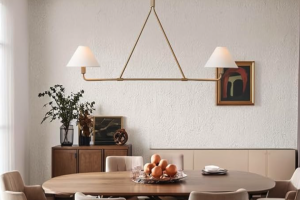
Forget the overly ornate crystal chandeliers. Think more along the lines of wrought iron, aged brass, or even designs incorporating wood elements.
- Wrought Iron: Classic and versatile. Look for designs with clean lines or a more organic, twig-like aesthetic.
- Antiqued Brass/Bronze: Adds a touch of warmth and sophistication without feeling too flashy.
- Natural Materials: Chandeliers featuring elements like wood, antlers (ethically sourced, of course), or even leather shades can be stunning.
Functional Pendants
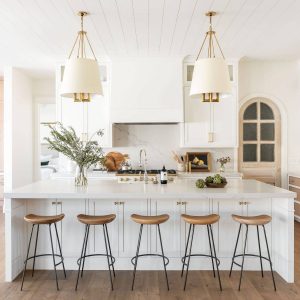
Pendants are great for more focused areas, like over a kitchen island or a dining table.
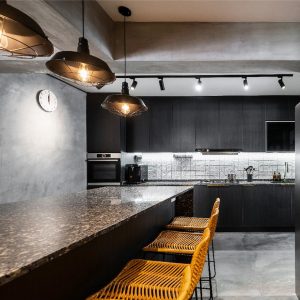
- Industrial Style: Metal dome pendants, cage lights, or Edison bulb fixtures can add a touch of rugged charm.
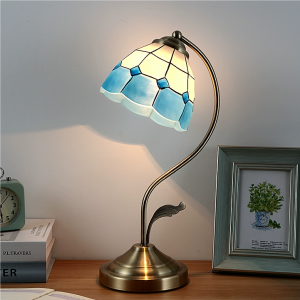
- Glass Shades: Consider seeded glass, mercury glass, or even amber-tinted glass for a softer glow.
- Minimalist Designs: Sometimes, a simple metal pendant with a warm bulb is all you need to add a touch of modern practicality.
Wall Sconces: Adding Layers and Ambiance
Sconces are invaluable for adding ambient light and accentuating architectural features. They can also be placed strategically for task lighting in hallways or next to seating areas.
Bridging the Gap
Sconces are perfect for filling in the gaps between larger overhead fixtures and creating a softer, more diffused light.
- Lantern-Style Sconces: These often mimic the look of outdoor lanterns, bringing a touch of that rustic charm indoors. Look for metal finishes like oil-rubbed bronze or matte black.
- Arm Sconces: These can be positioned to direct light where you need it, making them great for reading nooks.
- Upward/Downward Facing: Consider sconces that cast light upwards to highlight ceiling beams or downwards to illuminate a walkway.
Table and Floor Lamps: Cozy Corners and Task Masters
These are your workhorses for creating inviting nooks and providing essential task lighting. They are also fantastic opportunities to introduce more decorative elements.
Creating Inviting Zones
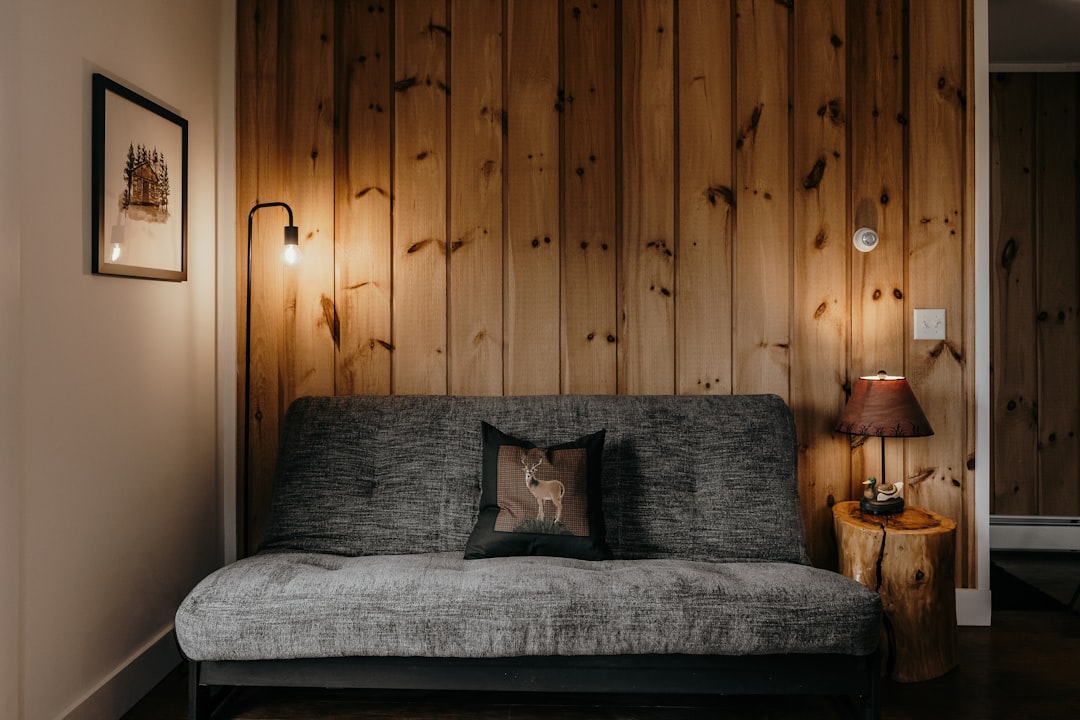
Lamps are your best friend when it comes to creating cozy corners for reading or conversation.
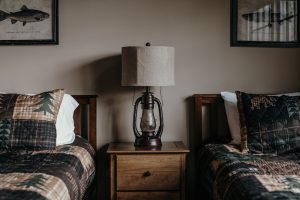
- Rustic Bases: Look for lamps with bases made of wood, stone, metal, or even repurposed items like old whiskey barrels.
- Shade Choices: Opt for shades in natural fabrics like linen, burlap, or textured cotton. Warm colors like cream, beige, or even a muted rust can enhance the cozy feel.
- Adjustable Arms: For reading lamps, adjustable arms are a must-have.
Ceiling Fixtures: Beyond the Basic Flush Mount
While not always the most exciting, practical ceiling fixtures are essential. But even these can be elevated to complement the log cabin aesthetic.
Balancing Form and Function
These fixtures provide general illumination, so choose styles that don’t detract from the overall ambiance.
- Semi-Flush Mounts: These sit closer to the ceiling than a pendant but offer a bit more visual interest than a standard flush mount. Look for designs with metal accents or decorative glass.
- Recessed Lighting (with caution): While recessed lighting can be very functional, it can also feel stark and modern. If you choose to use it, opt for warmer color temperatures and consider using them in conjunction with other lighting types. Dimmer switches are absolutely essential here.
- Track Lighting (strategic use): Can be useful for accent lighting or in areas where you need flexible directional light, but try to find fixtures with a more rustic finish.
Lighting Techniques: The Art of Illuminating Your Cabin
It’s not just about the what, but the how. The way you position and use your lights makes a huge difference in how your log cabin feels.
Layering Light for Depth and Dimension
This is the golden rule of interior lighting, and it’s especially important in a log cabin where you want to avoid a flat, uninviting feel.
The Three Layers Explained
Think of it as building up light, rather than just having one bright source.
- Ambient Lighting: This is your general illumination, the overall light in the room. This is often provided by overhead fixtures like chandeliers or semi-flush mounts.
- Task Lighting: Focused light for specific activities. Think under-cabinet lighting in the kitchen, a reading lamp next to your favorite armchair, or a pendant over a desk.
- Accent Lighting: This is used to draw attention to specific features. It could be spotlights on artwork, uplighting on a textured wall, or downlighting on a beautiful architectural detail.
The Power of Dimmer Switches
If there’s one piece of advice that can transform your log cabin lighting, it’s this: install dimmer switches everywhere you can.
Mastering Ambiance with Dimmers
Dimmers give you complete control over the mood and intensity of your lighting.
- From Bright to Cozy: Instantly change a room from being brightly lit for cleaning or entertaining to a soft, intimate glow for relaxing evenings.
- Energy Efficiency: While not the primary reason, dimming lights can also save energy.
- Flexibility: Dimmers allow you to tailor the lighting to different times of day and different activities without needing multiple switches.
Embracing Warm Color Temperatures
This is a detail that often gets overlooked but has a massive impact on the feel of a space.
The Magic of Warm Light
The “color temperature” of a light bulb is measured in Kelvin (K). Lower Kelvin numbers indicate warmer light.
- 3000K and Below: For a truly cozy, log cabin feel, aim for light bulbs in the 2200K to 3000K range. This is often described as “warm white” or “soft white.” It has a yellowish hue that mimics candlelight or incandescent bulbs.
- Avoid “Cool White” or “Daylight”: Bulbs above 4000K can feel stark and clinical, which is the opposite of what you want in a log cabin.
Specific Areas: Tailoring Lighting to Each Space
Your lighting needs will vary depending on the room. Let’s break down some common areas in a log cabin.
The Great Room: The Heart of the Cabin
This is often the largest and most central space, so it requires a thoughtful approach to lighting to ensure it’s both functional and inviting.
Creating a Welcoming Hub
The great room needs to accommodate various activities, from relaxing by the fire to entertaining guests.
- Central Chandelier: A statement chandelier can anchor the room and provide general ambient light. Consider something with a rustic metal finish or natural elements.
- Wall Sconces: Positioned around the perimeter of the room, sconces can add layers of ambient light and highlight architectural features like exposed beams.
- Table and Floor Lamps: Place these strategically next to seating areas to provide task lighting for reading and create intimate zones for conversation.
- Accent Lighting: Use small spotlights or adjustable lamps to highlight artwork, a stone fireplace, or a collection of rustic decor.
The Kitchen: Balancing Function and Form
A log cabin kitchen can be charming, but it needs to be practical for cooking. You don’t want to feel like you’re chopping vegetables in the dark.
Illuminating Your Culinary Space
Think about where you’ll be doing the most work.
- Under-Cabinet Lighting: This is non-negotiable for a kitchen. It provides excellent task lighting directly over your countertops, eliminating shadows. LED strips are a great, energy-efficient option.
- Pendant Lights Over Island/Peninsula: If you have a kitchen island or peninsula, pendant lights are ideal for providing focused light for food prep and creating a visual focal point.
- Ambient Ceiling Fixtures: A semi-flush mount or a simple, attractive ceiling fixture can provide general illumination for the entire kitchen.
- Recessed Lighting (with care): If used, ensure it’s on a dimmer and has a warm color temperature. Aim to supplement, rather than rely solely on, recessed lights.
Bedrooms: Creating a Sanctuary of Calm
Bedrooms are all about relaxation and comfort. Lighting should contribute to a peaceful, restful atmosphere.
Your Personal Retreat
Think soft, warm light that’s easy on the eyes.
- Bedside Lamps: Essential for reading in bed. Look for lamps with adjustable necks or shades that diffuse light softly.
- Wall Sconces: If space is limited, wall sconces mounted above or beside the bed can serve the same purpose as bedside lamps, freeing up surface area.
- Dimmable Overhead Fixture: A central ceiling fixture with a dimmer allows you to control the overall light level. A fixture with a fabric shade can soften the light considerably.
- Accent Lighting (subtle): A small lamp on a dresser or a subtle uplight can add a touch of warmth and visual interest without being overwhelming.
Bathrooms: Functional and Inviting
Even a rustic cabin bathroom needs good lighting for practical reasons. You want to see clearly, but you don’t want it to feel like a sterile operating room.
Practicality Meets Serenity
Focus on good lighting around the vanity and overall ambient light.
- Vanity Lighting: This is crucial for grooming. Sconces on either side of the mirror, or a well-placed bar light above, are good options. Ensure the light is evenly distributed and doesn’t cast harsh shadows.
- Ambient Ceiling Light: A simple, damp-rated ceiling fixture (to withstand moisture) provides general illumination for the room.
- Dimmers: Even in a bathroom, dimmers can be a lifesaver for creating a more relaxing atmosphere, especially in the evening.
The Finishing Touches: Bulb Choice and Smart Technology
Once you’ve chosen your fixtures, don’t forget about the bulbs and the potential of modern technology to enhance your log cabin lighting experience.
The Importance of LED Technology
LEDs have come a long way and are now the go-to choice for most home lighting.
Why LEDs Are Your Best Bet
They offer a combination of efficiency, longevity, and versatility.
- Energy Efficiency: LEDs consume significantly less energy than traditional incandescent bulbs, saving you money on your electricity bills.
- Longevity: They last much longer, meaning fewer trips to the store for replacements.
- Variety of Color Temperatures: As mentioned, you can find LEDs in all sorts of warm color temperatures perfect for a cabin.
- Dimmability: Most modern LEDs are dimmable, but always check the packaging to ensure compatibility with your dimmer switches.
Exploring Smart Lighting Options
Smart lighting can add a new layer of convenience and control to your log cabin.
Convenience and Customization
Think beyond just turning lights on and off.
- Remote Control: Control your lights from your smartphone or tablet, whether you’re at home or away.
- Voice Control: Integrate with smart home assistants like Alexa or Google Assistant for hands-free control.
- Scene Setting: Create custom lighting “scenes” for different occasions – “Cozy Evening,” “Dinner Party,” “Wake Up.”
- Scheduling: Automate your lights to turn on or off at specific times, which can also enhance security when you’re away.
- Considerations for Cabins: While smart technology can be fantastic, ensure it aligns with the rustic aesthetic. Opt for smart bulbs that can achieve very warm color temperatures, or smart switches that can control traditional-looking fixtures.
Ultimately, modern log cabin lighting is about creating a harmonious blend of form and function. It’s about embracing the natural beauty of your cabin and using light to enhance it, making your space not just visible, but truly inviting.