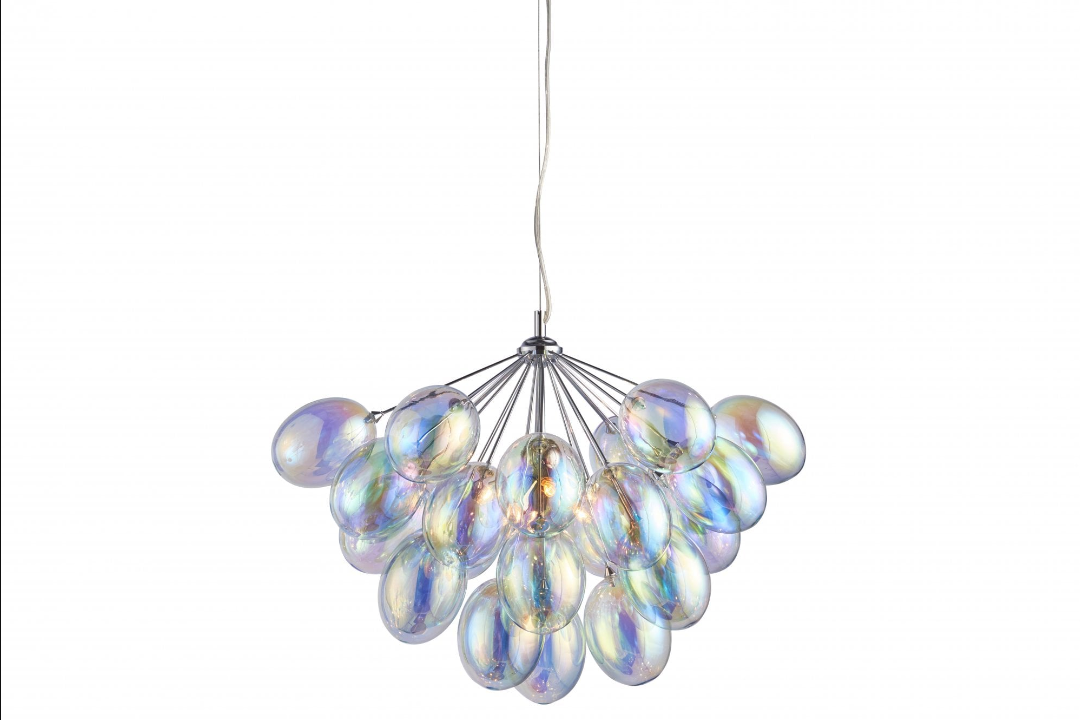
So, what exactly is this ‘Modern Art: Holographic Acrylic Iridescent Pendant’ thing? In a nutshell, it’s a piece of jewelry, often worn as a necklace, that uses specially treated acrylic material to create a holographic and iridescent effect. Think shifting colors and a cool, almost 3D visual trick that changes depending on how you angle it and the light hitting it. It’s a modern take on adornment, blending artistic expression with technological material properties.
This isn’t just a sparkly gem; it’s about the interplay of light Lovefanli, material science, and artistic intention. We’re talking about a unique way to wear art, something that catches the eye and sparks curiosity. Let’s dive a bit deeper into what makes these pendants tick and why they’ve become a point of interest in contemporary design.
The Core Materials: Acrylic, Holography, and Iridescence Explained
At the heart of these pendants are the materials, and understanding them is key to appreciating the final effect. It’s not magic, but it is clever science and design.
Acrylic: More Than Just Plastic
When we say “acrylic,” it’s easy to think of cheap plastic. But in the context of modern art and design, acrylic is a versatile polymer that can be manipulated in many ways.
The Benefits of Acrylic in Jewelry
- Lightweight: This is a big one. Acrylic is significantly lighter than glass or many gemstones, making pendants comfortable to wear for extended periods without feeling cumbersome.
- Durability: While not unbreakable, high-quality acrylic is surprisingly resilient and less prone to shattering than glass. It can withstand everyday wear and tear, which is practical for jewelry.
- Clarity and Transparency: Acrylic can be manufactured with exceptional clarity, allowing light to pass through it and interact with its surfaces. This is crucial for achieving the holographic and iridescent effects.
- Moldability: Acrylic can be cast, cut, and shaped into a vast array of forms, from simple geometric designs to complex sculptures. This flexibility is what allows artists to create intricate pendant designs.
- Colorability: Acrylic readily accepts pigments, making it possible to achieve a wide spectrum of colors, whether solid, translucent, or something in between.
Beyond the Basics: Engineered Acrylic
What makes this specific type of acrylic special is how it’s treated or engineered to achieve its unique visual properties. This isn’t your standard acrylic sheet. Manufacturers use specialized processes to embed or create the structures that interact with light.
Holography: Capturing and Reflecting Light in 3D
The “holographic” aspect is where the real visual wow factor comes in. It’s not a true hologram in the sense of a floating 3D image, but it mimics the effect.
How it Works (Simplified)
- Microscopic Structures: The acrylic is imprinted with microscopic patterns – often gratings or diffractive elements. These tiny structures are what scatter and split light in specific ways.
- Interference and Diffraction: When light hits these structures, it undergoes diffraction (bending of light waves) and interference (waves combining or cancelling each other out). This process separates white light into its constituent colors, much like a prism.
- Shifting Colors: Because these microscopic structures are precise, they cause different wavelengths of light to be reflected or transmitted at different angles. As you move the pendant or change the light source, the angles change, and therefore, the colors you see shift. This creates the illusion of a spectrum of colors appearing as if from nowhere.
Not All Holographic is Equal
It’s important to note that there’s a spectrum of “holographic” effects. Some might be more subtle, while others are vibrant and dynamic. The quality and density of the microscopic structures engineered into the acrylic directly influence the intensity and range of the holographic display.
Iridescence: The Peacock Feather Effect
The “iridescent” quality is closely related to holography but often refers to a broader phenomenon where colors appear to change depending on the angle of viewing.
The Science Behind the Shine
- Thin-Film Interference: Iridescence is often achieved through thin-film interference. This occurs when light reflects off the top and bottom surfaces of a very thin layer of material (in this case, a surface treatment or a layer within the acrylic).
- Constructive and Destructive Interference: The light waves reflecting from the top surface travel a slightly different distance than the light waves reflecting from the bottom surface. Depending on the thickness of the film and the wavelength of light, these waves can either reinforce each other (constructive interference, making a color brighter) or cancel each other out (destructive interference, making a color disappear).
- Color Play: As the angle of light or the viewer changes, the path lengths of the light waves alter, leading to different wavelengths being constructively or destructively interfered with. This results in the mesmerizing play of colors across the surface.
Natural and Synthetic Iridescence
Think of the wings of a butterfly or the surface of a soap bubble – these are natural examples of iridescence. In pendants, this effect is synthetically replicated, often through specialized coatings or embedded micro-structures within the acrylic itself that mimic these natural phenomena.
The “Modern Art” Aspect: Beyond Decoration
Calling it “Modern Art” isn’t just a marketing ploy; it speaks to the intention and aesthetic behind these pendants. They aim to be more than just pretty accessories.
Artistic Vision and Design
The creation of these pendants often involves a conscious artistic vision. It’s about exploring the possibilities of materials and light to create something visually engaging.
Form Follows Function (and Art)
- Sculptural Qualities: Many pendants have interesting shapes and forms, designed not just to hold the material but to enhance how light interacts with it. Think geometric cuts, organic curves, or layered structures that create depth.
- Minimalist vs. Maximalist: The designs can range from very minimalist, where the focus is purely on the material’s visual properties, to more elaborate designs that incorporate metal findings or other decorative elements.
- Artist’s Hand: While the manufacturing process might be technologically advanced, there’s often an underlying artistic sensibility that guides the design choices, translating a concept into a wearable object.
The Pendant as a Canvas
The pendant itself becomes a small canvas. The artist uses the properties of the holographic iridescent acrylic to paint with light, creating dynamic visual experiences that are unique to each piece and how it’s viewed.
Conceptual Underpinnings
These pieces can also tap into broader artistic concepts.
Exploring Perception and Reality
- Illusion and Trickery: The shifting colors and holographic effects play with our perception. They create an illusion, challenging our understanding of a static object. This can be seen as an exploration of how we perceive reality and the limitations of our senses.
- The Ephemeral Nature of Light: The constant change in appearance can evoke a sense of the ephemeral, mirroring how light and phenomena in nature are not constant but ever-shifting.
- Technological Beauty: In an era of rapid technological advancement, these pendants can also be seen as celebrating the aesthetic potential of new materials and manufacturing processes. They bring a sense of wonder to the technical.
A Statement Piece
Wearing one of these pendants can be a statement. It says you appreciate innovative design, are interested in art that blurs lines, and enjoy items that are conversation starters. It’s about expressing individuality through unique and thoughtfully designed objects.
How These Pendants Are Made: A Glimpse into Production
The manufacturing process for these unique pendants is a blend of art and advanced technology. It’s not something you can easily replicate at home without specialized equipment.
The Acrylic Manipulation Process
There are likely several methods used to achieve the holographic and iridescent effects within acrylic.
Laser Etching and Micro-Embossing
- Precision Tools: Highly precise lasers or specialized embossing machines are used to engrave or imprint these microscopic patterns onto the acrylic surface or within its bulk.
- Pattern Design: The specific patterns are carefully designed to diffract light in ways that produce the desired color spectrum and movement. This might involve complex algorithms and precise geometry.
- Surface vs. Bulk Treatment: Some effects might be achieved through surface treatments, while others are created by embedding these structures throughout the material itself, offering a deeper and more robust effect.
Specialized Coatings and Films
- Multi-Layered Applications: In some cases, thin layers of specialized iridescent or holographic films might be bonded to the acrylic. These films are designed to create the interference patterns that generate the colors.
- Adhesion and Durability: The challenge here is ensuring these thin layers adhere well and are durable enough to withstand wear and tear, especially on a piece of jewelry.
Shaping and Finishing
Once the optical properties are embedded or applied, the acrylic needs to be shaped into the desired pendant form.
Cutting and Polishing
- Precision Cutting: Computer-controlled cutting machines (like CNC routers or laser cutters) are used to precisely shape the acrylic according to the design.
- Surface Refinement: After cutting, extensive polishing is required to ensure a smooth, flawless surface. Any imperfections would detract from the holographic and iridescent effects by scattering light in unintended ways.
- Edge Treatments: The edges of the pendant are often beveled or rounded to enhance light reflection and create appealing visual lines.
Assembly and Findings
- Bails and Chains: The pendant then needs to be fitted with a bail or loop to attach it to a chain. This is usually done with metal findings (sterling silver, gold-plated, etc.).
- Quality Control: Throughout the entire process, rigorous quality control is essential to ensure the optical effects are consistent and the finished product meets aesthetic and durability standards.
Wearing Your Holographic Acrylic Iridescent Pendant: Tips and Considerations
So, you’ve got one of these eye-catching pieces. How do you best enjoy it and care for it? It’s straightforward, but a few pointers can help.
Maximizing the Visual Impact
The magic of this pendant is in how it interacts with light.
Finding the Right Light
- Natural Light is Best: Sunlight is often the most effective light source for bringing out the full spectrum of colors and the dynamic holographic effect.
- Indoor Lighting: While sunlight is ideal, various indoor light sources (spotlights, overhead lights) will also activate the effect. The type of bulb (warm vs. cool) can subtly influence the colors you see.
- Angle is Everything: Experiment with different angles. Turn the pendant, tilt your head, and observe how the colors shift and morph. This is part of the fun and the experience of wearing it.
Personal Style and Pairing
- Versatility: These pendants are surprisingly versatile. They can add a pop of futuristic flair to a casual outfit or provide an unexpected touch of modern artistry to something more formal.
- Complementary Colors: Think about the colors you’re wearing. While the pendant displays a spectrum, certain colors in your clothing might make the pendant’s colors stand out more dramatically.
- Minimalist Wardrobe: Often, these pendants shine best when worn with simpler outfits, allowing the pendant itself to be the focal point.
Care and Maintenance
Acrylic is relatively easy to care for, but it’s not indestructible.
Cleaning Your Pendant
- Gentle is Key: Use a soft, lint-free microfiber cloth to wipe away fingerprints and smudges. This is usually all that’s needed.
- Avoid Harsh Chemicals: Never use abrasive cleaners, window cleaner, or solvents. These can damage the acrylic’s surface or its optical coatings.
- Mild Soap and Water (if necessary): For tougher grime, you can use a tiny amount of mild dish soap mixed with lukewarm water. Gently wash the pendant and then rinse thoroughly with clean water. Ensure it’s completely dry with your microfiber cloth afterward.
Storage and Handling
- Prevent Scratches: Store your pendant separately from other jewelry, especially items with sharp edges or rough surfaces, to prevent scratches. A small soft pouch or a dedicated jewelry box compartment is ideal.
- Avoid Extreme Temperatures: While acrylic is relatively stable, prolonged exposure to extreme heat (like leaving it on a hot dashboard) or cold can potentially affect its properties over time.
- Be Mindful of Impact: While durable, a sharp impact against a hard surface could still potentially scratch or even crack the acrylic. Treat it with the care you would any other piece of jewelry you value.
The Market and Appeal of Modern Art Pendants
These holographic acrylic iridescent pendants have carved out a specific niche for themselves, appealing to a particular set of consumers.
Who is Buying These?
The appeal is broad, but a few key demographics and interests stand out.
The Art Enthusiast with a Practical Bent
- Wearable Art: People who appreciate art but also want to incorporate it into their daily lives find these pendants ideal. They offer an artistic statement without the formality or cost of a traditional sculpture or painting.
- Novelty Seekers: Those who are drawn to unique, unconventional items and enjoy pieces that stand out from the crowd.
- Tech-Savvy Individuals: People who are fascinated by the intersection of technology and art, appreciating the innovation behind the materials.
Style-Conscious Consumers
- Unique Accessory: In a world often saturated with mass-produced items, these pendants offer a distinctive accessory. They are eye-catching and less likely to be seen on everyone.
- Conversation Starters: The visual intrigue of these pieces naturally leads to questions and compliments, making them excellent conversation pieces.
- Avant-Garde Fashion: They fit well into styles that embrace futurism, cyberpunk, or generally modern and experimental aesthetics.
Price Points and Value
The cost of these pendants can vary significantly, reflecting the materials, complexity of design, and brand.
Factors Influencing Cost
- Material Quality: Higher grades of acrylic, more intricate holographic patterns, and premium iridescent treatments will naturally cost more.
- Design Complexity: Intricate shapes, layered designs, or pieces that require more complex manufacturing processes will be priced higher.
- Brand and Artist: Pendants from established art jewelry brands or individual artists known for their innovative work often command a higher price due to their reputation and artistic merit.
- Metal Findings: If the pendant includes precious metal bails or chains, this will also add to the overall cost.
Where to Find Them
These pendants are typically found in:
- Online Marketplaces: Platforms like Etsy, specialized art jewelry websites, and even some larger e-commerce sites are common places to find them.
- Gallery Shops: Art galleries that feature modern design or craft often carry such pieces.
- Independent Boutiques: Small, curated fashion or gift boutiques that focus on unique and artisanal products.
It’s worth noting that while they are “modern art,” they generally remain much more accessible in price than traditional fine art. This accessibility is part of their charm – making avant-garde aesthetics available to a broader audience.
The Future of Holographic Acrylic in Design
This trend isn’t likely to disappear anytime soon. The blend of technology, art, and everyday objects is a growing area.
Evolving Material Science
- Enhanced Effects: Expect continued advancements in how holographic and iridescent effects are achieved. We might see even more vibrant colors, deeper dimensionality, and more dynamic interactions with light.
- New Textures and Forms: Material scientists and designers will likely explore new ways to structure acrylic, leading to novel textures and shapes that further enhance these visual properties.
- Sustainability: As the market grows, there will likely be a push for more sustainable production methods and materials, which could influence the future of acrylic fabrication.
Broader Design Applications
While pendants are a prominent example, the principles of holographic and iridescent acrylic could extend to other areas.
Beyond Jewelry
- Fashion Accessories: Think handbags, belts, or even footwear with these dynamic finishes.
- Home Decor: Decorative objects, lighting fixtures, or even wall art could incorporate these materials to create captivating visual experiences.
- Tech Gadgets: Cases for phones, laptops, or other electronic devices could adopt these finishes for a futuristic and eye-catching look.
- Architectural Elements: While perhaps more niche, elements of interior or exterior design could utilize these materials for decorative purposes, playing with light and perception.
The “Modern Art: Holographic Acrylic Iridescent Pendant” is more than just a fleeting fad. It represents a growing appreciation for materials that offer visual intrigue and a dynamic interaction with their environment. It’s a small, tangible piece of contemporary design that bridges the gap between art, science, and personal expression.