The history of Gothic wall lamps is deeply intertwined with the broader narrative of Gothic architecture and design, which flourished in Europe from the 12th to the 16th centuries. This architectural style is characterized by its pointed arches, ribbed vaults, and flying buttresses, which allowed for taller structures and larger windows adorned with intricate stained glass. As churches and cathedrals began to dominate the skylines of medieval cities, the need for appropriate lighting became paramount.
Early Gothic wall lamps Nepten were often crafted from wrought iron or bronze, designed to hold candles or oil lamps, illuminating the dark interiors of these grand edifices. As the Gothic style evolved, so too did the design of wall lamps. By the late Middle Ages, artisans began to incorporate more elaborate designs into their lighting fixtures, reflecting the ornate details found in Gothic architecture.
These lamps often featured intricate motifs such as gargoyles, floral patterns, and religious iconography. The use of glass became more prevalent, with colored glass being used to create a warm glow that complemented the stained glass windows of the period. This evolution not only served a practical purpose but also contributed to the overall aesthetic of Gothic interiors, where light played a crucial role in enhancing the spiritual experience.
Choosing the Right Gothic Wall Lamp for Your Space
Selecting the right Gothic wall lamp for your space involves a careful consideration of both aesthetic and functional elements. The first step is to assess the overall style of your room. Gothic design is characterized by its dramatic flair, so a lamp that embodies this essence will enhance your décor.
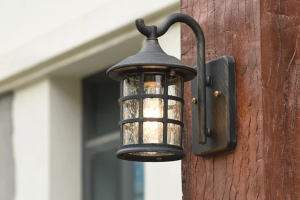
Look for fixtures that feature traditional Gothic elements such as pointed arches, intricate metalwork, and rich materials like wrought iron or aged brass. The size of the lamp is also crucial; it should be proportionate to the wall space and other furnishings in the room. A large, imposing wall lamp can serve as a statement piece, while smaller sconces can create a more subtle ambiance.
Another important factor to consider is the type of lighting you desire. Gothic wall lamps can vary significantly in their light output and functionality. Some fixtures are designed to accommodate candles or LED bulbs, providing a soft, flickering glow that evokes a sense of nostalgia and warmth.
Others may feature more modern lighting technology, offering brighter illumination suitable for reading or working. When choosing a lamp, think about how you intend to use the space and select a fixture that meets those needs while still aligning with your aesthetic vision.
Installation and Maintenance of Gothic Wall Lamps
Installing Gothic wall lamps requires careful planning and execution to ensure both safety and aesthetic appeal. Before installation, it is essential to determine the optimal height for mounting the lamp. A general guideline is to position wall sconces at eye level, typically around 60 to 66 inches from the floor.
This height allows for effective illumination while also showcasing the lamp’s design. If you are installing multiple fixtures, consider spacing them evenly along the wall to create a cohesive look. Additionally, ensure that you have access to electrical wiring if you are using hardwired fixtures; if not, consider battery-operated options for ease of installation.
Once installed, maintaining Gothic wall lamps is relatively straightforward but requires regular attention to keep them looking their best. Dust and dirt can accumulate on both the lamp’s surface and within its crevices, so periodic cleaning is essential. Use a soft cloth or feather duster to gently remove dust without scratching delicate finishes.
For lamps with glass components, a glass cleaner can be used to maintain clarity and shine. If your lamp uses bulbs, check them regularly and replace any that have burned out to ensure consistent lighting. Additionally, inspect wiring and connections periodically for any signs of wear or damage, as safety should always be a priority.
Enhancing Your Décor with Gothic Wall Lamps
Gothic wall lamps can serve as powerful tools for enhancing your décor, adding depth and character to any space. Their unique designs often act as focal points within a room, drawing attention and sparking conversation. To maximize their impact, consider how they interact with other elements in your décor.
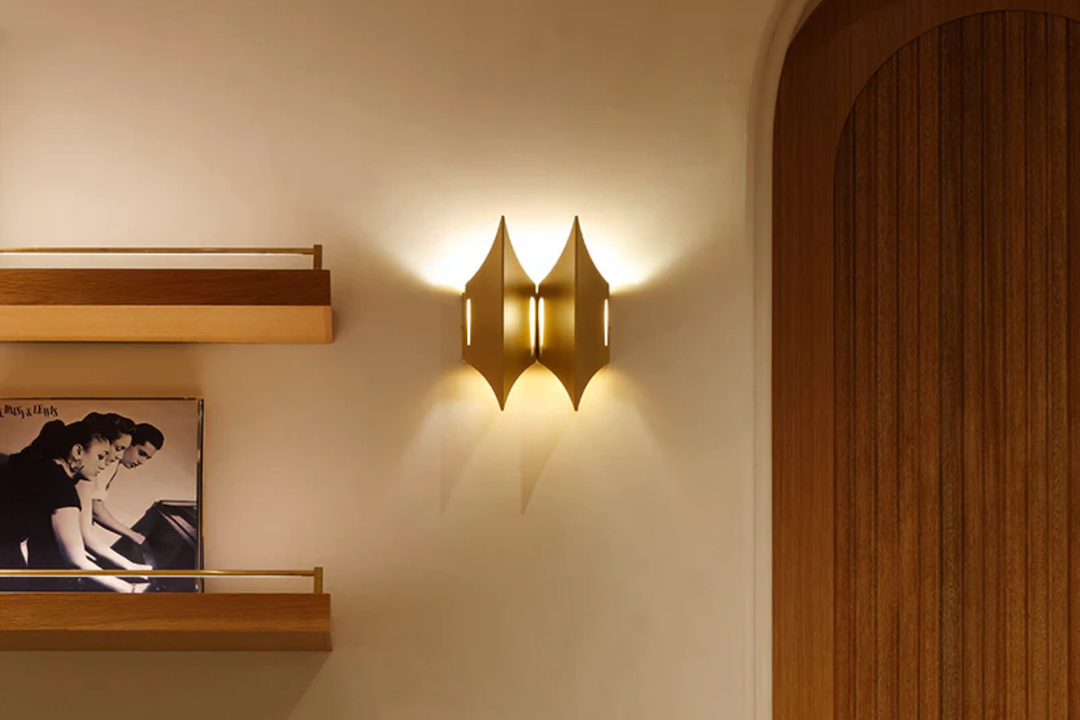
For instance, placing a Gothic wall lamp above a piece of artwork can create a dramatic spotlight effect, highlighting the artwork’s details while adding an atmospheric glow to the surrounding area. Similarly, positioning lamps near architectural features such as archways or exposed beams can accentuate these elements and reinforce the overall Gothic theme. In addition to their visual appeal, Gothic wall lamps can also contribute to a layered lighting scheme within your home.
By combining them with other light sources—such as table lamps, floor lamps, or overhead fixtures—you can create a dynamic interplay of light and shadow that enhances the mood of your space. For example, using dimmable bulbs in your wall sconces allows you to adjust the brightness according to the time of day or occasion, providing versatility in how you use your space. This layered approach not only elevates your décor but also creates an inviting atmosphere that encourages relaxation and enjoyment.
Creating Ambiance with Gothic Wall Lamps
The ability of Gothic wall lamps to create ambiance cannot be overstated; they are instrumental in setting the mood within a room. The warm glow emitted by candle-style bulbs or vintage-inspired fixtures evokes a sense of nostalgia and comfort that is particularly suited for intimate settings such as dining rooms or reading nooks. When strategically placed, these lamps can cast soft shadows that enhance architectural details and textures within the space, contributing to an overall feeling of warmth and coziness.
To further enhance ambiance, consider using dimmable options or smart bulbs that allow you to adjust brightness levels according to your needs. For instance, during a dinner party, you might opt for lower lighting to create an intimate atmosphere, while brighter settings may be more appropriate for activities like reading or working. Additionally, pairing Gothic wall lamps with other decorative elements—such as rich fabrics, dark wood furniture, or ornate mirrors—can amplify their effect on ambiance.
The interplay between light and shadow created by these elements can transform an ordinary room into a captivating environment that invites relaxation and conversation.
Gothic Wall Lamps in Different Spaces: Living Room, Bedroom, and More
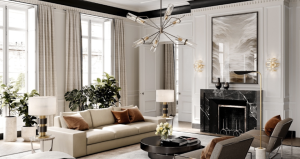
Gothic wall lamps are versatile fixtures that can enhance various spaces throughout your home, each serving distinct purposes depending on their location. In living rooms, these lamps can act as both functional lighting sources and decorative accents. Placing sconces on either side of a fireplace or above a console table can create a balanced look while providing ambient light for gatherings or quiet evenings at home.
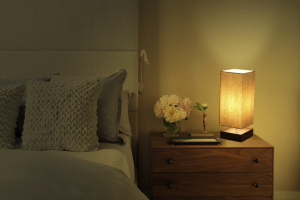
The dramatic flair of Gothic design complements traditional furnishings beautifully, making it an ideal choice for spaces where elegance is paramount. In bedrooms, Gothic wall lamps can contribute significantly to creating a serene retreat. Installing sconces above nightstands provides convenient reading light without taking up valuable surface space.
The soft glow from these fixtures can create a calming atmosphere conducive to relaxation and restfulness. Additionally, incorporating Gothic elements into bedroom décor—such as wrought iron bed frames or dark wood accents—can create a cohesive design theme that enhances the overall aesthetic appeal of the room.
Mixing and Matching Gothic Wall Lamps with Other Lighting Fixtures
One of the most exciting aspects of incorporating Gothic wall lamps into your home is their ability to blend seamlessly with other lighting fixtures while still making a bold statement. Mixing styles can add depth and interest to your décor; however, it requires careful consideration to ensure harmony among different elements. For instance, pairing Gothic sconces with modern pendant lights can create an intriguing juxtaposition that highlights both styles’ unique characteristics.
The key is to find common threads—such as color palettes or materials—that tie the various fixtures together. When mixing lighting styles, consider using similar finishes across different fixtures to maintain cohesion. For example, if your Gothic wall lamps feature an aged brass finish, look for other lighting elements—like chandeliers or table lamps—that incorporate brass accents as well.
This approach creates visual continuity while allowing each piece to shine in its own right. Additionally, varying heights among different fixtures can add dimension to your space; combining tall floor lamps with lower wall sconces creates an engaging visual landscape that draws the eye throughout the room.
Where to Find Quality Gothic Wall Lamps
Finding quality Gothic wall lamps requires exploring various sources that specialize in unique lighting designs. Antique shops and flea markets often offer one-of-a-kind pieces that embody authentic Gothic craftsmanship; however, it’s essential to inspect these items carefully for quality and functionality before purchasing. Online marketplaces such as Etsy provide access to artisans who create custom or handmade Gothic-inspired lighting fixtures that can be tailored to fit your specific needs.
For those seeking more contemporary interpretations of Gothic design, specialty lighting stores often carry curated collections featuring modern takes on traditional styles. These retailers typically offer a range of options—from budget-friendly choices to high-end designer pieces—allowing you to find something that fits both your aesthetic preferences and budget constraints. Additionally, home improvement stores may carry more utilitarian options that still capture elements of Gothic design without sacrificing quality or style.
By exploring various avenues for sourcing your lighting fixtures, you can discover unique pieces that enhance your home’s character while reflecting your personal taste.