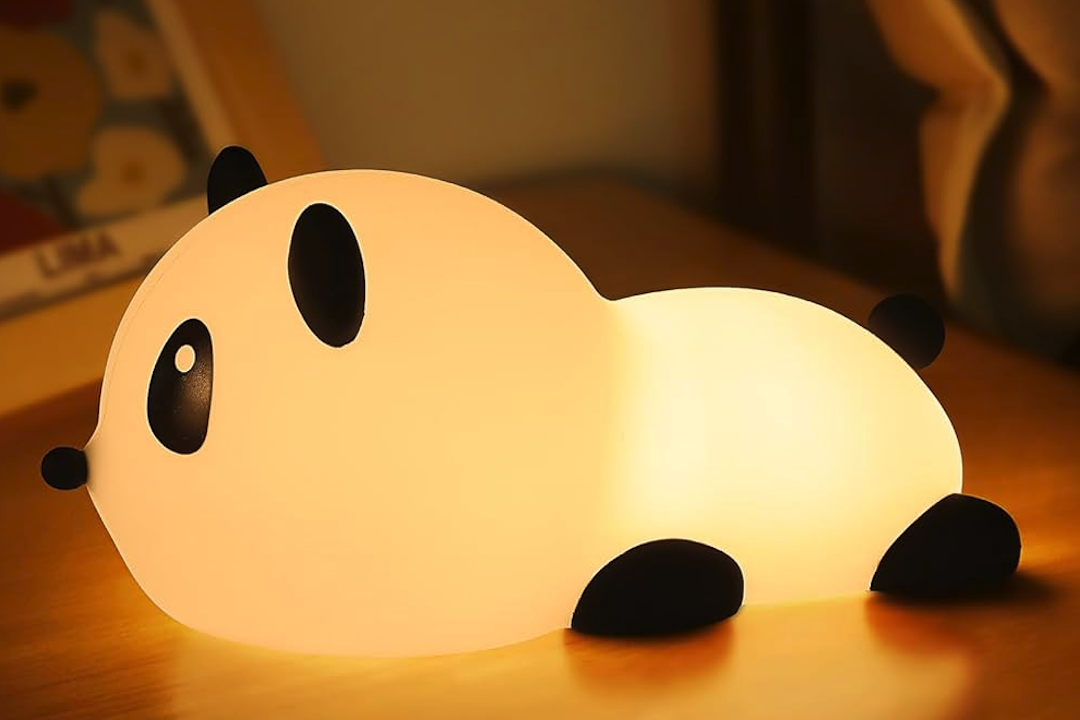
So, you’re wondering about those cute cartoon silicone night lights for your kid’s room? Good question! Basically, they’re soft, squeezable glowing buddies designed to offer a gentle light source that helps kids feel safe and comfortable at night. Think less blinding overhead fixture, more comforting glow that doesn’t disrupt sleep. They typically run on batteries or can be plugged in, and their fun designs make them a decorative piece even when they’re off. We’ll dive into what makes them tick, what to look for, and if they’re actually a good idea for your little one.
Let’s be real, the idea of a night light Simiglighting for a kid’s room isn’t exactly groundbreaking. But these cartoon silicone ones bring a few specific benefits to the table that make them stand out.
Soothing Light for Sensitive Eyes
The primary goal of any night light is to provide enough illumination to navigate a room without being jarring. These silicone versions typically use LED technology, which is great because it’s energy-efficient and doesn’t produce a lot of heat. The light is usually diffused through the silicone material, creating a soft, warm glow rather than a harsh beam. This is particularly important for children’s developing eyes. A bright, cool light can actually make it harder for them to fall asleep and stay asleep. The gentle luminescence from these cartoon friends helps create a calm atmosphere, signaling to their brain that it’s time to wind down.
Bridging the Fear of the Dark Gap
Many children go through phases where the dark can feel a bit… big and scary. A night light acts as a visual anchor, a friendly presence that pushes back the shadows. It’s not about pretending the dark doesn’t exist, but rather about making it feel less intimidating. For a child who might wake up in the middle of the night, a familiar glow can be enough to reassure them that their room is still their safe space, and they can find their way back to sleep without needing to call for a parent. The cartoon element is key here; it’s not just a light, it’s a character that can become a comforting companion.
Independence and Self-Soothing Skills
While it might sound minor, having a night light can actually play a role in fostering independence. Instead of immediately needing to rely on a parent to turn on a big light or come in and comfort them, a child might learn to self-soothe by looking at their friendly night light. It’s a subtle way to build confidence and reduce nighttime anxieties. They can reach out, perhaps pat their glowing bunny or duck, and be reminded of familiar comfort without a full human intervention. This can be a stepping stone to them feeling more secure and capable in their own room.
What’s Under the Cute Exterior? Understanding the Materials and Technology
Those adorable designs aren’t just for show; they often dictate the practicality and safety of the night light.
The “Silicone” Factor: Why It Matters
The “silicone” in these night lights is a big deal for a few reasons. First and foremost, it’s soft. This is fantastic for a child’s room – no hard edges to bump into, and it’s super pleasant to touch. Kids often like to interact with their night lights, and a firm, plastic object might not feel as safe or inviting as a squishy silicone one.
Secondly, silicone is a non-toxic material, which is a huge plus when you’re dealing with something that your child might handle frequently, or even accidentally mouth (let’s be honest, it happens!). It’s generally durable and resistant to minor bumps and drops, which is inevitable in a kid’s environment. Plus, it typically doesn’t get very hot, even with prolonged use, which is a crucial safety feature for a bedside item. The way the light diffuses through the silicone also contributes to that soft, ambient glow we talked about.
LED Lighting: The Modern Choice
You’ll almost exclusively find LED bulbs in these types of night lights. There are several good reasons for this. LEDs are incredibly energy-efficient, meaning you won’t be changing batteries constantly or racking up electricity bills. They also produce very little heat, which is a critical safety consideration for a product that will be in a child’s room. Unlike older incandescent bulbs, you don’t have to worry about a hot surface that could cause a burn if a child touches it. The lifespan of LEDs is also significantly longer, meaning your little lantern buddy will be around for a good while.
Powering Up: Battery vs. Plug-In Options
When you’re looking at these lights, you’ll typically see two main power sources: batteries or direct plug-in.
Battery Operated: Flexibility and Portability
Battery-operated night lights offer the most flexibility. You can place them anywhere in the room without worrying about proximity to an outlet. This is great for shelf decorations, bedside tables that are far from walls, or even for taking on trips to Grandma’s house. However, the downside is obvious: you’ll need to keep an eye on battery levels and have spares on hand. Many come with rechargeable batteries or are compatible with common battery types, which can mitigate the ongoing cost and hassle. Some even have timers, which can help conserve battery life by automatically turning off after a set period.
Plug-In: Consistent and Hassle-Free
Plug-in versions eliminate the need for battery changes altogether. You just plug them into a wall socket, and they’re good to go. This provides a constant, reliable light source. The main limitation here is obviously the need for an outlet. You’ll need to consider where you want the light to be and if there’s a convenient outlet nearby. Some plug-in models have slim designs that don’t block adjacent outlets, which is a practical consideration. Look for ones with integrated chargers if they’re rechargeable via USB – a good middle ground.
Beyond the Glow: Essential Features to Consider
Just because it’s cute and glows doesn’t mean it’s the right fit. Here’s what else to think about.
Brightness Level: Finding the Sweet Spot
This is crucial. You want a light that’s bright enough to be comforting and allow visibility, but not so bright that it interferes with sleep. Some lights are adjustable, allowing you to control the intensity – a fantastic feature. If not, look for reviews or product descriptions that mention the type of glow. Is it described as a “dim,” “soft,” or “gentle” glow? These are keywords to look for. A light that’s too bright can actually be counterproductive, stimulating the brain and making it harder for a child to drift off. The goal is a dim beacon, not a spotlight.
Color Options: More Than Just White Light
Many of these cartoon night lights offer a range of color options. This can be everything from a simple warm white to a spectrum of colors that can be cycled through or set to a specific hue.
Static Colors: Picking a Mood
Some lights allow you to choose a single color and keep it there. This can be great for setting a specific mood. Warm yellows and oranges are generally considered calming and conducive to sleep. Blues and greens can also be soothing for some children, while brighter colors like red or purple might be more stimulating. It’s often a matter of personal preference and what your child finds most comforting.
Color-Changing Features: The Disco of Dreams (or Not)
Others have a color-changing feature. This can be a fun element, especially for younger children who enjoy visual stimulation. However, for older children or those who are sensitive to light, rapidly changing colors might be distracting. Look for options that allow you to pause on a favorite color or have a slow, gentle transition between hues if you opt for this feature. Some even have modes that mimic natural light cycles, which can be a sophisticated touch.
Safety Certifications: Peace of Mind Included
When buying products for children, safety should always be a top priority. Look for any relevant safety certifications. While specific certifications can vary by region, generally speaking, you want to see that the product has been tested for electrical safety and material composition. For instance, if it’s made of silicone, ensuring it’s BPA-free is a good indicator of quality and safety. While not always explicitly marketed, many reputable brands will have undergone some form of safety testing. It’s worth a quick search of the brand or product if you’re unsure.
Ease of Use and Controls: Simple is Best
For a kid’s room, simplicity is often key. Can a child operate the light themselves if needed? Are the buttons intuitive? For example, a single tap to turn on/off and a long press to change brightness is usually fairly straightforward. If it requires complex button combinations or tiny switches, it might be more frustrating than helpful. Rechargeable lights with USB ports are also becoming increasingly popular for their ease of use.
The Design Factor: Picking the Perfect Little Companion
This is where the “adorable cartoon” part really shines. The look of the night light can make a big difference in how much a child connects with it.
Animal Friends: From Bunnies to Bears
Animal-themed night lights are perennially popular. Think soft, cuddly bunnies, sleepy bears, playful puppies, or even whimsical owls. These are often designed with rounded features and sweet expressions. The tactile nature of the silicone makes them feel even more like a soft toy. They can become a familiar, comforting presence in the room, almost like a silent guardian.
Fictional Characters and Fantasy Creatures: Popular Appeal
Beyond animals, you’ll find lights inspired by popular cartoon characters or general fantasy themes. This could include little monsters, friendly aliens, or even simplified representations of beloved characters from movies or shows. The key is that the design is appealing and non-threatening to a child. A well-designed character night light can become a talking point and add a touch of personality to the room.
Shapes and Other Fun Designs: Beyond the Obvious
Sometimes, the design isn’t strictly an animal or a character but rather a fun shape like a star, a cloud, a moon, or even a simple geometric form with a friendly face. These can offer a slightly different aesthetic while still being engaging for children. The key is that the design is visually appealing and evokes a sense of warmth and comfort. Think less about intricate details and more about appealing, simple forms.
Making the Purchase: What to Look for and Where to Find Them
Ready to find the perfect glowing friend for your child’s room? Here’s how to navigate the options.
Online Retailers: A World of Choice
Major online retailers are your go-to for sheer variety. You’ll find hundreds of options from countless brands. This is where you can really zero in on specific designs, read reviews, and compare prices. Popular platforms often have user-submitted photos and detailed product descriptions that can give you a good sense of what you’re getting.
Reading Reviews: Real-World Insights
Don’t underestimate the power of reviews! Look for feedback from other parents about the brightness, battery life (if applicable), durability, and whether their child actually likes it. Pay attention to recurring comments, both positive and negative. A pattern of complaints about a light being too bright, the battery dying too quickly, or the material feeling cheap is a warning sign. Conversely, consistent praise for its gentleness or a child’s delight can be a good endorsement.
Specialty Children’s Stores: Curated Selections
Some children’s boutiques and specialty online stores offer curated selections of baby and child products. These can sometimes be a good source for higher-quality or more unique designs. While you might find fewer options, the items are often carefully chosen for their safety, durability, and aesthetic appeal. These stores can be a good place to find brands that focus on natural or eco-friendly materials.
Considering Longevity and Reusability
Think about how long you expect the night light to be useful. Will it be outgrown quickly? Some of the more generic designs might be a hit for a year or two, while a beloved character might have longer appeal. Also, consider if it’s something that can be passed down or reused for a younger sibling. Rechargeable options, for example, tend to be more sustainable in the long run than constantly buying disposable batteries.
The Verdict: Are They Worth It?
So, after all that, are these adorable cartoon silicone night lights a good investment for your child’s room? For most families, the answer is a pretty solid yes. They offer a gentle, comforting light that can significantly ease nighttime anxieties for children. The soft, safe material is a big plus, and the engaging designs make them more than just a functional item – they can become a beloved part of a child’s nighttime routine. Just remember to prioritize those key features like adjustable brightness, safe materials, and user-friendly controls to ensure you’re getting a practical and effective solution for your little one’s room.