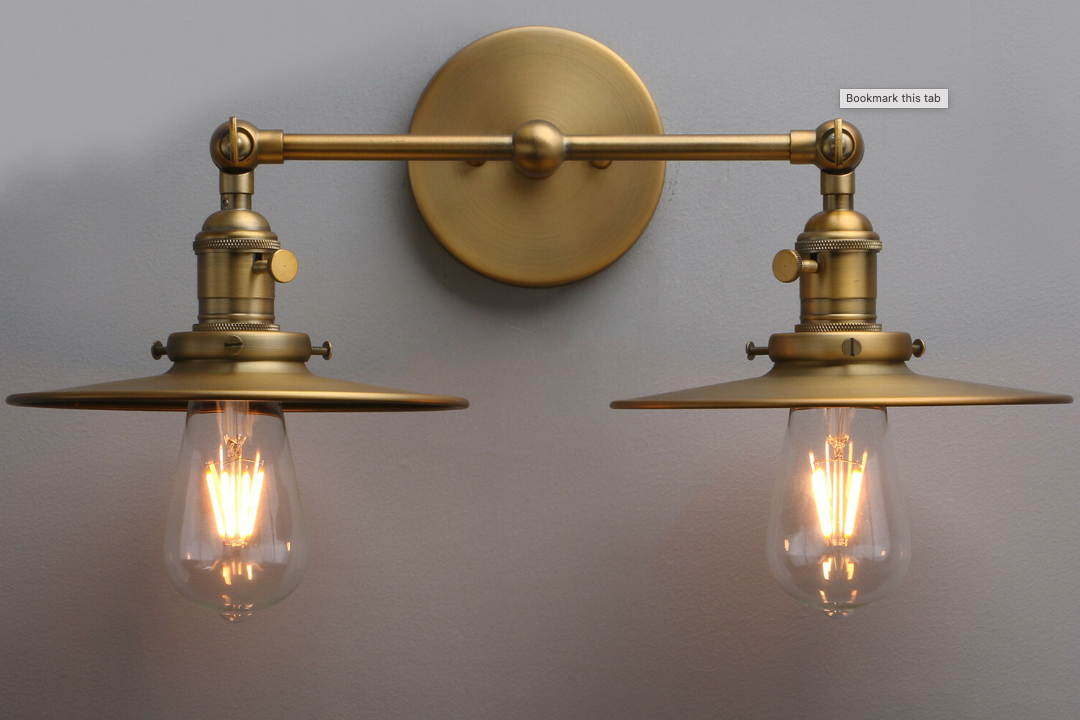
So, you’re wondering if a vintage double-head wall lamp is a good fit for your industrial dining room? Absolutely, it is! In fact, it’s one of the best choices you could make. These lamps perfectly bridge the gap between functional lighting and a strong aesthetic statement, crucial for an industrial space. They offer focused light, robust construction, and an undeniable touch of historical charm that complements the raw materials and utilitarian feel of an industrial dining room.
Why Vintage Double-Head Wall Lamps and Industrial Dining Rooms Are a Perfect Match
Let’s break down why this specific type of lighting fixture works so well in an industrial setting. It goes beyond just looking “old” or “cool.”
The Industrial Aesthetic Defined
An industrial dining room isn’t just about exposed bricks or metal. It’s about celebrating the raw, the functional, and the utilitarian. Think factories, warehouses, and old workshops. Materials like steel, iron, unfinished wood, concrete, and even salvaged items are key. The color palette often leans towards grays, blacks, whites, and earthy tones, with pops of rich, deep color from leather or specific accents. Lighting in this context needs to be practical, tough, and visually coherent with these elements. It can’t be flimsy or overly decorative in a delicate way; it needs to look like it belongs in a working environment, even if that environment is now your dining room.
The Appeal of Vintage Lighting
Vintage lighting, especially pieces designed for industrial use, was built to last. It wasn’t about planned obsolescence; it was about sturdy construction and easy repair. This inherent durability and history resonate deeply with the industrial look. These lamps Zifoto often carry the marks of their past – a slight patina on the metal, visible welds, or a no-nonsense design – all of which contribute to the authenticity of your dining space.
Double-Head Lamps: More Than Just Double Light
The “double-head” aspect isn’t just about having two bulbs. It’s often about directional light, versatility, and creating a balanced illumination. In an industrial context, it implies a task-oriented design, reminiscent of old workshop lights that needed to illuminate a specific area comprehensively.
Understanding Your Lighting Needs for a Dining Room
Before you even start looking at lamps, it’s crucial to think about what you actually need from your dining room lighting. It’s not just about turning a light on; it’s about setting a mood and providing specific functionality.
Ambient Lighting: The Foundation
This is your general, overall illumination that fills the room. While a double-head wall lamp can contribute to ambient light, it’s rarely the sole source. You might have recessed lighting, a central pendant, or even track lighting doing the heavy lifting here. The wall lamp’s role is more about adding layers than blanket coverage.
Task Lighting: For the Table
In a dining room, task lighting primarily means illuminating the dining table itself. You want enough light to see your food clearly, for good conversation, and to avoid shadows. This is where a double-head wall lamp, especially one with adjustable arms or shades, can shine. It can direct light precisely where it’s needed, preventing a gloomy central area.
Accent Lighting: Highlighting Features
Accent lighting is about drawing attention to specific architectural features, artwork, or textures. While a double-head wall lamp generally acts as task or ambient light, a strategically placed one might incidentally highlight a textured wall or a piece of decor.
Dimming Capabilities: The Mood Setter
This is non-negotiable for a dining room. You want bright light for cleaning or certain activities, but for an intimate dinner party or a casual weeknight meal, you’ll want to lower the intensity. Make sure whatever lamp you choose, and its installation, is compatible with a dimmer switch. This provides incredible flexibility in creating the desired atmosphere.
Key Features to Look For in a Vintage Double-Head Wall Lamp
When you’re sifting through options, these are the practical details that make a difference.
Material and Finish: The Industrial Core
- Metal Construction: This is paramount. Look for steel, iron, or brass. These metals are durable and fit the industrial aesthetic. Avoid anything that looks or feels flimsy.
- Aged Finish/Patina: This isn’t about imperfections; it’s about character. A weathered, oxidized, or deliberately aged finish (like an oil-rubbed bronze, a matte black, or even a distressed silver) enhances the vintage industrial appeal. Polished chrome can work in some modern industrial interpretations, but a more muted, raw finish is usually preferred for a classic vintage look.
- Visible Hardware: Bolts, rivets, sturdy joints – these aren’t just details; they speak to the “constructed” nature of industrial pieces.
Adjustability and Functionality
- Articulated Arms (Swing Arms): Many double-head wall lamps feature arms that can extend, retract, and pivot. This is incredibly practical for a dining room. You can pull the lights closer to the table when needed and push them back against the wall for more space.
- Swiveling Shades: Independent movement of each lampshade allows you to direct light even more precisely. You might want one head illuminating the center of the table and the other providing a wash of light on a nearby wall.
- On/Off Switches: Decide if you want integral switches on the lamp itself (pull chains, toggle switches) or if you prefer to control it solely via a wall switch or dimmer. Integrated switches can add to the vintage charm but can be less convenient if you’re installing it with a wall dimmer.
Shade Style: Dispersing the Light
- Dome/Bowl Shades: Often made of metal, these direct light downwards, offering focused task lighting. The interior might be white or reflective to maximize light output.
- Cage Shades (Wire Cages): These are quintessential industrial. They protect the bulb and create interesting light patterns. They also allow more ambient light to escape, illuminating the surrounding area.
- Bell/Cone Shades: Similar to dome shades but with a more tapered shape. Again, excellent for directing light.
- Glass Shades (Clear or Frosted): While less common for the classic “workshop” double-head lamp, some industrial interpretations use ribbed or seedy glass shades to diffuse light more broadly. However, for a true vintage industrial feel, metal shades are usually the top choice.
Bulb Compatibility and Type
- Edison Bulbs (Filament Bulbs): These are almost a must for the aesthetic. Their warm glow and visible filaments enhance the vintage feel beautifully. Just be mindful of their brightness (lumens) as they are often lower than modern LED bulbs.
- LED Equivalents: You can now find LED bulbs that mimic the look of Edison bulbs but are far more energy-efficient and offer various color temperatures (warm white is best for dining). Ensure they are dimmable if you plan to use a dimmer.
- Lumens and Wattage: Don’t just pick a bulb based on looks. Consider how much light you actually need. For a dining area, you’ll want sufficient lumens for meals, with the ability to dim down.
Placement and Installation Considerations
Where and how you install your double-head wall lamp significantly impacts its effectiveness and the overall look of your dining room. This isn’t a “slap it anywhere” kind of fixture.
Optimal Height: The Sweet Spot
This is crucial. You want the light to illuminate the table surface without blinding anyone seated at it. A good starting point is usually 30-36 inches above the tabletop when the lamp is fully extended or in its primary position. If the lamp has adjustable arms, test different heights to see what works best for your specific table and seating.
Centering and Symmetry
- Over the Table: Ideally, the lamp should be centered over your dining table. If using a single double-head lamp, position it so the spread of light covers the majority of the table efficiently.
- Paired Lamps: For very long dining tables, you might consider two double-head wall lamps, symmetrically placed to ensure even illumination across the entire length of the table. This creates a balanced and striking look.
- Adjacent to a Feature: Sometimes, if your table is against a wall, or near a specific architectural feature, you might place the lamp slightly off-center to highlight that feature while still providing light to the table.
Wiring: Hardwired vs. Plug-in
- Hardwired: This is the most seamless and aesthetically pleasing option. The wiring is hidden within the wall, providing a clean, permanent look. This will likely require an electrician unless you’re comfortable with electrical work and know existing wiring is suitable. This is the preferred method for a dining room where the light serves a primary function.
- Plug-in: Some vintage-style lamps come with a cord and plug. This offers easier installation (no electrician needed) but means you’ll have an exposed cord, which might detract from the clean industrial aesthetic. You can use cord covers or channel the cord to minimize its visibility. This is often better for accent lighting than primary dining table lighting.
Wall Material Considerations
- Solid Walls (Brick/Concrete): These walls can typically support heavier fixtures. You’ll need appropriate screws or anchors.
- Drywall: For heavier lamps, you’ll need to drill into a stud or use robust toggle bolts/anchors to ensure the fixture is securely mounted. The last thing you want is a heavy lamp pulling away from the wall.
Integrating with Your Existing Industrial Decor
A new light fixture shouldn’t feel like an afterthought. It should enhance what you already have.
Complementing Existing Materials
- Metal Consistency: If you have black steel chairs, perhaps a matte black or dark bronze lamp would tie in well. If you have warm wood and brass accents, a brass-finished lamp could be perfect.
- Raw and Refined: An industrial dining room often balances raw materials (concrete floor, exposed brick) with more refined elements (a polished wood tabletop, leather chairs). Your lamp can bridge this gap; a rugged metal lamp above a smooth wood table creates an interesting contrast.
Color Palette Harmony
- Neutral Foundation: Industrial spaces often have a neutral base (gray, black, white, concrete tones). A dark metal lamp will seamlessly blend in without clashing.
- Accent Colors: If you’ve used a deep green, rich blue, or burnt orange as an accent color in your chairs or artwork, you might find a lamp with a subtle hint of that color (perhaps a copper shade with an aged patina) or one that simply acts as a strong contrast.
The Role of Scale
- Table Size: A small, delicate double-head lamp will look lost above a large, robust dining table. Conversely, an oversized lamp might overpower a smaller table. Consider the visual weight of your table and choose a lamp that feels proportionate.
- Ceiling Height: While a wall lamp, ceiling height is still relevant. A very tall room might benefit from a lamp that can extend further to bring the light closer to the table, or you might need two lamps to adequately illuminate a larger area.
Where to Find Authentic and Reproduction Vintage Lamps
Finding the right lamp is part of the fun, but it requires knowing where to look.
Architectural Salvage Yards and Antique Stores
- The Hunt: This is where you’ll find true vintage pieces, each with its own story and wear. The patina will be genuine, the construction robust.
- What to Look For: Examine the wiring (it will likely need to be replaced for safety), check for structural integrity, and ensure all parts are present or can be sourced. Be prepared for a bit of restoration work and definitely consult with an electrician for re-wiring.
- Uniqueness: No two pieces will be exactly alike, giving your dining room a truly unique focal point.
Online Marketplaces (Etsy, eBay, 1stDibs)
- Wider Selection: You’ll find a broader range of actual vintage pieces and excellent reproductions from various sellers.
- Verification: Pay close attention to seller reviews. For vintage items, ask for detailed photos of wiring, damage, and any missing parts. Confirm shipping costs and insurance.
- Reproduction Quality: For reproductions, look for brands known for quality materials and craftsmanship. Read descriptions carefully to understand if it’s solid metal or a lighter, less durable material.
Dedicated Lighting Retailers (Online and Brick-and-Mortar)
- Newer Reproductions: Many retailers specialize in industrial-style lighting and offer high-quality reproductions that mimic the vintage look but come with new, safe wiring and often modern conveniences like dimmability.
- Consistency: If you need multiple matching fixtures, a retailer might be a better bet than trying to find two identical vintage pieces.
- Warranty/Support: You’ll typically get a warranty and customer support, which isn’t always the case with vintage finds. Look for retailers that emphasize heavy-gauge metals and authentic finishes.
Local Makers and Craftspeople
- Customization: If you have a very specific vision, a local artisan might be able to create a custom double-head wall lamp that perfectly fits your space.
- Support Local: You’re supporting independent creators and often getting a truly unique, hand-built piece.
- Quality Control: You can often see the materials and craftsmanship firsthand.
Maintenance and Care for Your Industrial Wall Lamp
Even robust industrial lamps benefit from a little care to keep them looking their best and functioning safely for years to come.
Regular Cleaning
- Dusting: Use a soft, dry cloth or a duster to regularly remove dust. This prevents build-up and keeps the light shining brightly.
- Wiping Down: For metal parts, a slightly damp cloth can remove grime. Follow immediately with a dry cloth to prevent water spots or rust, especially on unsealed metals. Avoid harsh chemical cleaners as they can damage finishes, especially patinas.
- Glass Shades: If your lamp has glass elements, clean them gently with a glass cleaner, making sure no liquid drips into the electrical components.
Electrical Safety Checks
- Bulb Replacement: Always turn off the power at the switch (and ideally the breaker) before changing a bulb.
- Cord Inspection (for plug-in models): Periodically check the cord for fraying, cracks, or damage. Replace if necessary.
- Wiring Inspection (for hardwired models): If you notice flickering, strange smells, or any signs of electrical issues, consult a qualified electrician immediately. Never tamper with wiring if you’re not trained.
Preserving the Finish
- Patina: If your lamp has a natural patina, embrace it! Avoid aggressive cleaning that would strip away this desirable aged look.
- Waxing (for some metals): For certain metals like raw steel or iron, a furniture wax or specialty metal wax can help protect the finish and prevent rust, especially in a kitchen/dining environment where steam or moisture might be present. Always test in an inconspicuous area first.
Adjusting and Tightening
- Moving Parts: If your lamp has articulated arms or swiveling shades, occasionally check and tighten any screws or bolts that might have loosened over time with use. This maintains stability and adjustability. Don’t overtighten, just enough to be snug.
In conclusion, a vintage double-head wall lamp isn’t just a quirky choice for an industrial dining room; it’s a strategically sound and visually powerful one. It meets the functional demands of dining room lighting while perfectly aligning with the robust, history-rich aesthetic of industrial design. By considering the practicalities of lighting needs, material choices, placement, and sourcing, you can select a fixture that not only illuminates your meals but also profoundly enhances the character and authenticity of your space. It’s a statement piece that combines utility with undeniable style, making your industrial dining room truly shine.