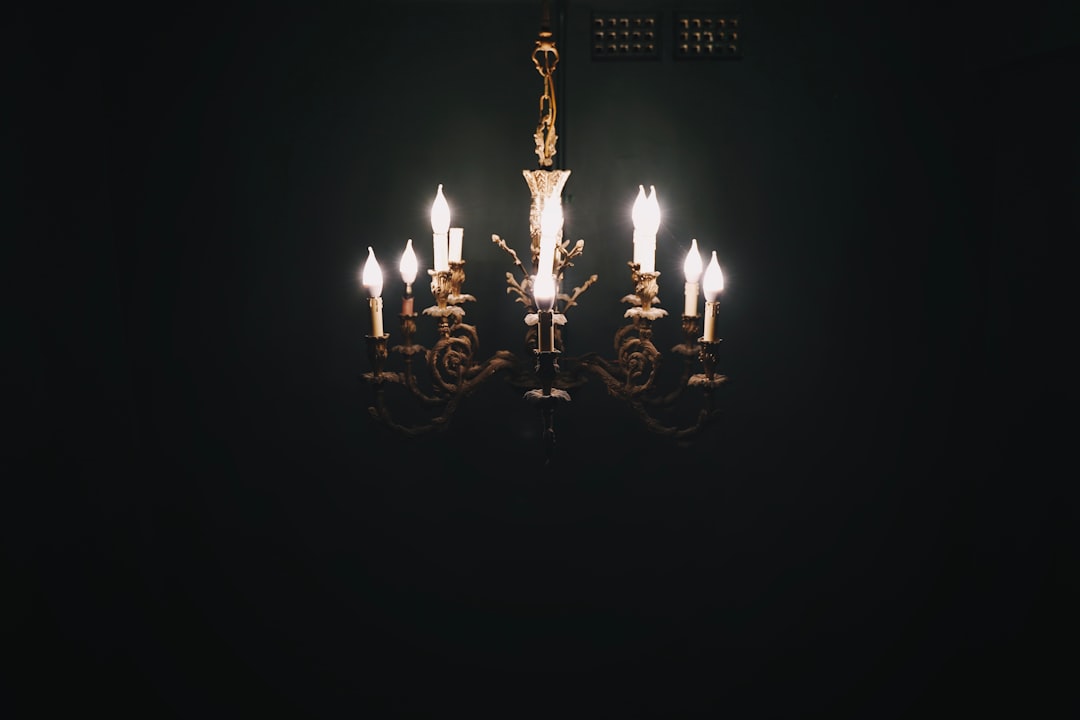
When it comes to lighting your rustic dining room, a black iron candle chandelier isn’t just a light source – it’s a statement. It grounds your space, adding warmth, a touch of history, and a substantial focal point that perfectly complements the natural textures and earthy tones often found in rustic decor. We’re talking durable materials, a feeling of timelessness, and that beautiful, slightly imperfect handcrafted look that brings so much character to a room.
A black iron candle chandelier brings a certain gravitas and authenticity to a rustic dining room that other lighting fixtures simply can’t match. It’s hard to beat the classic pairing of rough-hewn wood and dark, forged metal.
Bringing History and Authenticity to Your Space
Think about the feeling of stepping into an old European farmhouse or a colonial American home. What kind of lighting do you picture? Chances are, it’s something like a wrought iron fixture. This style isn’t new; it’s steeped in tradition. A black iron candle chandelier taps into that history, instantly making your dining area feel more grounded and authentic, rather than just “decorated.” It speaks to a time when things were built to last and had a genuine purpose.
The Power of Contrast
Rustic decor often leans on natural wood tones, muted colors, and soft fabrics. A black iron fixture provides a crucial element: contrast. The dark, often matte finish of the iron stands out against lighter walls, wooden tables, and natural linens. This contrast isn’t harsh; instead, it provides visual anchor points and prevents the room from feeling too monotone or washed out. It adds depth and interest, making the eye travel around the space.
Durability and Longevity
Iron is, by its very nature, a robust material. Unlike some more delicate lighting options, a black iron chandelier is built to withstand the test of time. It won’t easily chip, dent, or go out of style. This durability aligns perfectly with the rustic ethos of quality over fleeting trends. It’s an investment piece that, with proper care, will likely outlast many other elements in your dining room.
Integrating with Natural Materials
Rustic design thrives on natural materials like distressed wood, stone, linen, and jute. Black iron seamlessly integrates with all of these. Its natural, earthy quality complements the organic textures present in the room. Imagine it hanging above a large farmhouse table, surrounded by linen-upholstered chairs and perhaps a stone fireplace – it all just works together, creating a cohesive and inviting atmosphere.
Understanding Different Styles of Black Iron Candle Chandeliers
While the basic concept remains, black iron candle chandeliers aren’t all cut from the same cloth. There’s a surprising variety in design that allows you to fine-tune the look for your specific rustic aesthetic.
Classic Wagon Wheel & Ring Designs
These are perhaps the most iconic rustic chandelier styles. A central ring or “wagon wheel” forms the base, from which arms extend, often holding candle sleeves.
- Wagon Wheel: Characterized by its sturdy, circular form, often with a heavier look. It evokes images of old carriages and homesteads. These are fantastic for larger dining rooms or spaces with high ceilings, as they command attention. They can range from very simple, unadorned rings to more intricate designs with additional detailing.
- Single/Multi-Ring: Similar to the wagon wheel but can be more streamlined. Some designs feature multiple concentric rings, creating a more layered and dimensional effect. These can sometimes feel a bit lighter than a full wagon wheel, offering a slightly less imposing presence while still maintaining that rustic charm. The number of rings affects the overall impression, with a single ring feeling more minimalist and multiple rings adding a touch more complexity.
Ornate & Gilded Variations
Not all rustic is perfectly plain. Some black iron chandeliers incorporate more intricate details, moving towards a slightly more refined or even “old-world” rustic feel.
- Scrollwork & Flourishes: Look for chandeliers where the iron arms or frame are twisted into decorative scrolls, curls, or leaf-like patterns. These details add a layer of sophistication without losing the rustic foundation. They might be a good fit if your rustic decor leans a bit more towards French country or Tuscan farmhouse styles, where delicate details are appreciated alongside rugged materials.
- Subtle Gold/Bronze Accents: While primarily black iron, some designs might incorporate very subtle touches of aged gold, bronze, or copper. This could be on the candle sleeves, finials, or small decorative elements. These accents add a hint of warmth and can help to tie the chandelier into other metallic elements in the room, like picture frames or cabinet hardware, without overpowering the iron’s dark character. Think of a very light dusting or antique finish rather than shiny gold plate.
Industrial-Rustic Blends
The line between rustic and industrial can sometimes blur beautifully. Certain black iron designs borrow elements from both worlds, creating a unique aesthetic.
- Exposed Hardware: Chandeliers that intentionally showcase bolts, rivets, or connecting plates lean into an industrial-rustic vibe. This celebrates the construction of the piece and adds a raw, utilitarian feel. It’s about honesty in design, where the functional elements are also visually appealing.
- Simple Geometric Shapes: Rather than organic curves or intricate scrolls, these designs might feature more straightforward, angular shapes – squares, rectangles, or clean lines. This lends a more modern edge to the rustic look, keeping it from feeling too traditional. They can be particularly effective in minimalist rustic spaces or those that incorporate salvaged materials with clean lines. Think of exposed beams and concrete floors softened by warm wood and textiles.
Key Considerations When Choosing Your Chandelier
Selecting the right chandelier is more than just picking one you like. It involves practical considerations to ensure it functions well and looks proportionate in your dining room.
Sizing It Right: Diameter and Height
This is perhaps the most crucial step. An improperly sized chandelier can throw off the entire room’s balance.
- Diameter Rule of Thumb: For a dining room, a common guideline is to choose a chandelier with a diameter that is about half to two-thirds the width of your dining table. If your table is 40 inches wide, look for a chandelier between 20 and 27 inches in diameter. You don’t want it to overpower the table, nor do you want it to look lost above it.
- Room Size Consideration: For a more general approach, add the length and width of your room in feet. The sum, in inches, can give you a rough idea of an appropriate chandelier diameter. So, for a 12’x15′ room (27 feet), a 27-inch diameter chandelier might be a good starting point. This rule is more for overall room lighting, so for a dining room, table size takes precedence.
- Hanging Height: The bottom of the chandelier should typically hang about 30 to 36 inches above the top of your dining table. This range allows for clear sightlines across the table without guests bumping their heads (unless they’re exceptionally tall!). For higher ceilings, you might go a bit higher, perhaps 38 inches, but always test it out to ensure it feels right proportionally and functionally. You want the light to illuminate the table well without being directly in anyone’s eyes.
Lighting Output: Ambiance vs. Task
Candle chandeliers, even with modern bulbs, are primarily about ambiance.
- Bulb Choices: Most black iron candle chandeliers will use candelabra-base (E12) bulbs. These are available in various options:
- LED Bulbs: The most energy-efficient choice. Look for “dimmable” LEDs if you plan to use a dimmer switch (highly recommended!). Many now come with a “warm white” or “soft white” color temperature (2700K-3000K) to mimic the cozy glow of real candles. Some even have flame-tip designs for a more authentic look.
- Incandescent/Halogen: These produce a beautiful, warm light but are less energy-efficient and generate more heat. They’re becoming harder to find.
- Filament Bulbs (LED or Incandescent): These replicate the look of old Edison bulbs with visible filaments, adding to the vintage charm.
- Dimmer Switches are Essential: With a chandelier like this, flexibility is key. A dimmer switch allows you to go from a brighter setting for tasks or larger gatherings to a soft, intimate glow for romantic dinners or quiet evenings. This control is crucial for tailoring the mood of your dining room. Don’t underestimate the power of a dimmer!
- Layered Lighting: Remember, a chandelier is often just one layer of lighting. In a dining room, you might also consider:
- Wall Sconces: To provide ambient light and highlight artwork or wall textures.
- Table Lamps/Buffet Lamps: On a sideboard or console, these add warm, lower-level light.
- Recessed Lighting: For general illumination if the chandelier alone doesn’t provide enough overall brightness, especially in larger rooms. The chandelier should be the star, but supporting actors help round out the performance.
Material Quality and Finish
Not all black iron is created equal. The quality of the material and its finish can significantly impact the look and longevity.
- Genuine Wrought Iron vs. Steel: True wrought iron is historically handcrafted through heating and hammering. While some chandeliers might still be made this way, many modern “wrought iron” fixtures are actually steel that has been formed and finished to resemble wrought iron. Both can be durable; the key is the quality of the fabrication. Look for solid, substantial pieces.
- Finishes: Common black iron finishes include:
- Matte Black: A popular choice for a truly rustic, understated look. It absorbs light and provides strong contrast.
- Oil-Rubbed Bronze (ORB): This finish often appears as a very dark brown-black with subtle copper undertones showing through. It can add a bit more warmth than pure matte black and plays well with other bronze elements.
- Rustic Black/Aged Iron: These finishes are designed to look naturally weathered or slightly oxidized, sometimes with subtle variations in color or texture to give an antique feel. This can enhance the authenticity of the “found object” aesthetic.
- Attention to Detail: Examine the welds, joints, and overall craftsmanship. Are they clean and well-executed? Are there any visible flaws in the finish? A good quality piece will show attention to detail in its construction.
Incorporating Your Black Iron Chandelier into Your Rustic Scheme
Once you’ve chosen your chandelier, the next step is ensuring it harmonizes with the rest of your rustic dining room. It’s about creating a cohesive narrative.
Complementary Furniture and Textures
Your chandelier shouldn’t float in isolation; it needs to be grounded by the elements around it.
- Wood Finishes: The dark iron pairs beautifully with a range of wood tones, from light, natural pine or oak to darker, distressed walnut or cherry. The key is often unpolished or matte finishes on the wood to maintain the rustic feel. A heavily distressed farmhouse table is a classic pairing.
- Rough-Hewn vs. Refined: Decide if you want a fully rough aesthetic (think reclaimed wood, burlap, thick linen) or something a little more refined (smoother wood, softer linens, perhaps a touch of velvet). Your chandelier’s style (simple vs. ornate) should ideally match this overall direction. A very simple, clean-lined iron chandelier could work in a slightly more modern rustic space, while an ornate one might suit a room with more antique elements.
- Fabric Choices: Natural fabrics like linen, cotton, and jute work wonderfully. Consider linen drapes, upholstered dining chairs in a neutral fabric, or a woven jute rug under the dining table. The softness of these fabrics provides a nice counterpoint to the hard metal of the chandelier.
Wall Colors and Backdrops
The wall color behind your chandelier can make it pop or blend in, depending on your desired effect.
- Warm Neutrals: Colors like off-whites, creams, and light greige provide a classic, airy backdrop that allows the black iron to stand out as a strong focal point. These colors keep the room bright and inviting.
- Earthy Tones: Deeper greens, blues, or even a muted terracotta can create a cozy, envelopi ng feel, making the iron fixture blend more seamlessly into a richly colored space. This can work particularly well in a more saturated or dramatic rustic aesthetic.
- Exposed Brick or Stone: If you’re lucky enough to have an exposed brick or stone wall, it provides an incredible, textural backdrop for a black iron chandelier. The raw materials enhance the rustic vibe significantly. The dark iron will look stunning against the varied tones of the masonry.
Accessorizing Around the Chandelier
Small details can tie everything together and reinforce the rustic aesthetic.
- Metal Accents: While you don’t want to overdo it, incorporating other black iron or dark metal accents throughout the room can create a cohesive look. This could include iron curtain rods, cabinet hardware, a fireplace screen, or decorative objects like wrought iron candlesticks or a mirror with a dark metal frame. aim for a thoughtful distribution, not a cluttered one.
- Greenery and Botanicals: Natural elements are fundamental to rustic design. A large, simple vase of eucalyptus, olive branches, or wildflowers on your dining table can beautifully soften the strong lines of the chandelier. Even hanging some dried herbs or a small wreath nearby can add a charming, organic touch.
- Candles and Lanterns: To further emphasize the “candle chandelier” aesthetic, consider incorporating actual candles elsewhere in the room. Pillar candles on a sideboard, smaller votives, or even decorative lanterns can enhance the warm, flickering glow that the chandelier evokes, creating a truly inviting atmosphere.
Maintenance and Care for Your Iron Chandelier
An iron chandelier is built to last, but a little care goes a long way in keeping it looking its best for years to come.
Regular Cleaning Routine
Dust and cobwebs are the main enemies of any light fixture.
- Dusting: Use a soft, lint-free cloth or a microfiber duster on a regular basis (weekly or bi-weekly). Make sure the power is turned off before you start. Gently wipe down the arms, frame, and candle sleeves.
- Deeper Clean (Occasionally): If dust has built up or there are smudges, you can gently wipe the surface with a damp (not soaking wet) cloth. For stubborn spots, a very mild soap solution (like a drop of dish soap in water) can be used, but always test it on an inconspicuous area first. Immediately dry the fixture thoroughly with a clean, dry cloth to prevent water spots or potential rust. Avoid harsh chemical cleaners, as they can strip finishes.
- Bulbs First: Always clean the bulbs before cleaning the fixture itself, just in case any dust or residue falls onto the iron. Use a dry cloth for bulbs.
Protecting the Finish
Most black iron finishes are fairly durable, but they’re not indestructible.
- Avoid Abrasives: Never use abrasive cleaners, scouring pads, or steel wool, as these will scratch the finish and potentially promote rust.
- Moisture Control: Iron is susceptible to rust, especially in humid environments. If your dining room gets particularly humid, consider running a dehumidifier. If the chandelier is exposed to cooking steam regularly, ensure good ventilation. If you spot any tiny rust spots (unlikely with a good quality finished piece), consult with the manufacturer or a professional for specific treatment recommendations. Sometimes a very fine steel wool with a tiny bit of oil can address minor superficial rust on unfinished iron, but this is best left to an expert to avoid further damage to a finished piece.
- Gloves During Installation: When installing or handling the chandelier, especially if it’s a new or freshly cleaned piece, it’s a good idea to wear clean cotton gloves. This prevents natural oils from your hands from transferring to the finish, which can sometimes leave marks or affect the patina over time.
Troubleshooting Common Issues
While generally hardy, even iron chandeliers can have minor issues.
- Flickering Bulbs: If you experience flickering, first check the bulbs themselves. Try swapping them for new ones. If the flickering persists, it could be an issue with the dimmer switch (ensure it’s compatible with your bulbs, especially LEDs), or a wiring issue by the electrical box. If you’re not comfortable with electrical work, call a qualified electrician.
- Loose Connections: Over time, vibrations or slight jostling can sometimes loosen a wire nut or socket. If a specific bulb isn’t working and you’ve tried new bulbs, turn off the power and gently check the bulb in the socket. If it still doesn’t work, this might be a sign of a loose connection deeper in the wiring, requiring a professional.
- Uneven Hanging: If your chandelier isn’t hanging perfectly level, turn off the power and carefully check the chain links or rod connections. Sometimes a slight adjustment can rebalance it. If it’s a structural issue with the ceiling box, you’ll need professional assistance.
- Dimmer Malfunction: If your dimmer switch isn’t working correctly (e.g., only on/off, no dimming, or buzzing), it likely needs to be replaced. Ensure the new one is specifically rated for the type of bulbs you are using (LED dimmers are different from incandescent ones).
A black iron candle chandelier isn’t just a lighting fixture; it’s practically a piece of furniture for your ceiling. It sets the tone, provides the visual anchor, and truly defines the rustic character of your dining room. Choose wisely, care for it well, and it will serve as a beautiful, timeless centerpiece for countless meals and memories.