Bathrooms in traditional homes often aim for a sense of enduring style. Wall sconces, a lighting fixture mounted directly to a wall, can play a significant role in achieving this aesthetic. This article will explore classic bathroom wall sconces, focusing on their historical context, design elements, material choices, and the practical considerations for their integration into a traditional bathroom environment.
The concept of wall-mounted lighting Nounhouse for illumination is ancient, predating electricity. Early forms of sconces held torches or candles, providing essential light in homes and public spaces.
Ancient and Medieval Illumination
In ancient civilizations like Rome and Greece, wall fixtures were used to hold oil lamps. These were often simple metal or ceramic holders, attached to the walls of homes and public buildings. During the medieval period, as interiors became more elaborate, sconces evolved. They could be made of wrought iron, holding torches or candles, and served a dual purpose of light and decorative element. These early sconces were functional necessities, but their design began to reflect the architectural styles of their time.
The Renaissance and Baroque Eras: Ornamentation Takes Hold
The Renaissance saw a significant shift in design emphasis, with a greater focus on aesthetics and artistry. Wall sconces began to incorporate more decorative elements, often made from metals like brass and bronze. These were frequently gilded or patinated to enhance their visual appeal. During the Baroque period, ornamentation reached new heights. Sconces became more elaborate, featuring intricate scrollwork, carved details, and the incorporation of reflective materials like polished metal or early forms of glass. They were designed to cast dramatic shadows and contribute to the opulent interiors of the era.
The Georgian and Victorian Periods: Refinement and Diversification
In the Georgian era, symmetry and restraint in design became prominent. Sconces during this period often featured more refined proportions and classical motifs, such as acanthus leaves or egg-and-dart patterns. The advent of gas lighting in the 19th century led to new types of sconces designed to accommodate gas jets, with shades made of frosted or colored glass becoming common. The Victorian era, with its eclecticism, saw a wide range of styles emerge. Sconces could be found in a variety of materials and designs, from elaborate chandeliers adapted for wall mounting to simpler, more functional fixtures reflecting the era’s developing industrial capabilities. It is within this historical lineage that modern classic bathroom wall sconces find their inspiration.
Design Archetypes of Classic Bathroom Wall Sconces
Classic bathroom wall sconces typically draw inspiration from historical periods, emphasizing timeless aesthetics rather than fleeting trends. Their design intent is to complement, rather than dominate, the overall bathroom decor.
Traditional Americana and Colonial Styles
Sconces inspired by American Colonial and Federalist periods often exhibit a sense of simplicity and functionality. They might feature a single bulb, perhaps with a frosted or simple glass shade, mounted on a backplate that is often circular or shield-shaped. Materials like polished brass, brushed nickel, or oil-rubbed bronze are common. The aesthetic is one of understated elegance and historical authenticity. These fixtures evoke a sense of the past, a quiet nod to the earliest American homes.
Victorian and Edwardian Inspired Designs
Victorian and Edwardian era sconces are often more decorative. They may feature intricate metalwork, such as delicate scrolls, floral motifs, or fluted detailing. Shades can be made of frosted, etched, or colored glass, sometimes in bell or globe shapes. The finishes tend towards darker metals like antique brass, bronze, or black, which contribute to a sense of vintage charm. These designs are reminiscent of grander homes of the late 19th and early 20th centuries, offering a touch of opulence.
Art Nouveau and Art Deco Influences
While distinct movements, the influence of Art Nouveau and Art Deco can be seen in certain classic sconce designs. Art Nouveau sconces might incorporate organic, flowing lines, perhaps with stylized floral or leaf patterns. Art Deco influences can manifest in more geometric shapes, clean lines, and a sense of symmetry, often with frosted glass and polished metal accents. These styles, when adapted for a classic bathroom context, bring a sophisticated, artistic flair. The intention is to echo the decorative arts of the early 20th century, adding a layer of design complexity.
Neoclassical and Empire Styles
Drawing on classical antiquity, Neoclassical and Empire-style sconces often feature motifs like acanthus leaves, laurel wreaths, or swan necks. They tend to have clean, symmetrical lines and a sense of balance. Finishes are often polished brass, bronze, or gilded metals. These designs convey a sense of formality and enduring quality, reminiscent of grand interiors from the 18th and early 19th centuries. They are like pronouncements of enduring taste.
Materiality and Finishes: The Foundation of Elegance
The choice of materials and finishes for classic bathroom wall sconces is crucial in establishing their authentic, timeless appeal. These elements contribute significantly to both the visual and tactile experience of the fixture.
Metals: Brass, Bronze, Nickel, and Iron
- Brass: Historically a popular choice, brass offers a warm, inviting glow. Available in various finishes from polished to antique, it can adapt to different levels of formality. Polished brass provides a bright, reflective surface, while antique brass develops a patina over time, adding depth.
- Bronze: Similar to brass in its historical significance, bronze offers a darker, richer hue. It is often used in finishes like oil-rubbed bronze, which provides a deep, dark brown with subtle copper undertones, or verdigris, mimicking the patina of aged copper.
- Nickel: In its various forms (polished nickel, brushed nickel, satin nickel), nickel offers a cooler, more contemporary alternative to brass or bronze. Polished nickel is highly reflective, almost mirror-like, while brushed or satin nickel provides a softer, matte finish that is less prone to fingerprints.
- Iron: Wrought iron, particularly in darker finishes like black or oil-rubbed, lends a rustic or industrial-chic sensibility that can be adapted to classic designs. It often features more robust, hand-forged aesthetics.
Glass: Shades, Diffusers, and Accents
Glass plays a critical role in diffusing light and contributing to the aesthetic of a sconce.
- Frosted Glass: This is perhaps the most common type of glass used in classic sconces. It softens the light from the bulb, creating a gentle, ambient glow and reducing glare. The frosted effect can be achieved through acid etching or sandblasting.
- Etched Glass: More intricate designs can be achieved through etching, allowing for patterns or decorative motifs to be incorporated into the glass shade.
- Clear Glass: While less common for general illumination, clear glass can be used for accent sconces or in designs where the bulb itself is intended to be a visual element.
- Seeded or Mercury Glass: These specialty glasses mimic older manufacturing techniques, incorporating small bubbles (seeded) or a distressed, antiqued look (mercury glass). They add a layer of visual texture and character.
- Colored Glass: In some Victorian or Art Nouveau inspired designs, colored glass (e.g., amber, green, blue) might be used to add a decorative touch, though typically in more subdued tones for a classic aesthetic.
Other Materials: Porcelain, Crystal, and Wood Accents
While metals and glass are primary, other materials can enhance classic sconce designs.
- Porcelain: Small porcelain elements, often in white or ivory, can be incorporated into the structure of a sconce, particularly in designs evoking early 20th-century aesthetics.
- Crystal: While more commonly associated with chandeliers, small crystal accents or drops can sometimes be found in high-end classic sconces, adding a touch of sparkle and luxury.
- Wood: In some more rustic or country-style classic designs, small carved wooden elements might be integrated into the metalwork.
The interplay of these materials and finishes allows for a wide spectrum of classic bathroom sconce designs, each offering a unique interpretation of timeless style. The patina that develops on metals over time is not a flaw, but a testament to the fixture’s use and history, adding to its character.
Placement and Scale: Integrating Sconces into the Bathroom Design
The judicious placement and appropriate scale of classic bathroom wall sconces are critical for both functional illumination and aesthetic harmony. An oversized or poorly positioned sconce can disrupt the visual balance of the room.
Mirror Complementarity: The Duo-Mount Approach
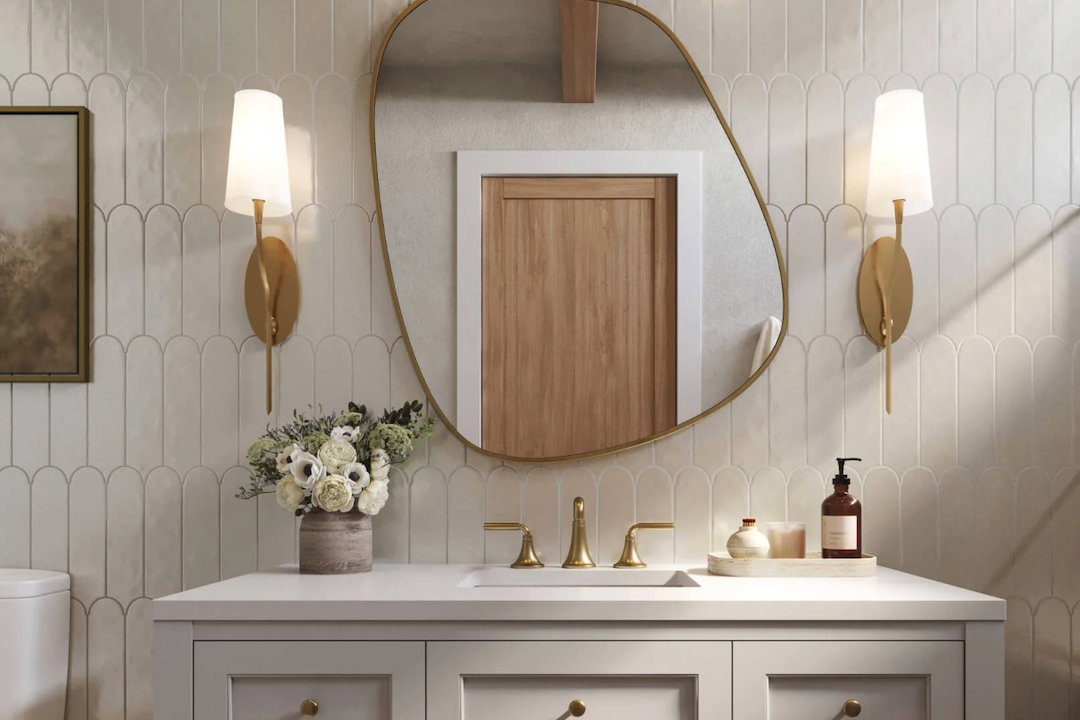
A common and effective placement is flanking the bathroom mirror. This creates a symmetrical lighting design that is both functional for tasks like grooming and aesthetically pleasing.
- Height: Typically, the bottom of the sconce shade should be positioned at or slightly above eye level when standing at the mirror. This ensures the light source is not directly in the user’s line of sight, preventing glare.
- Spacing: The distance between the two sconces and the mirror is important. They should be spaced symmetrically, with enough distance from the mirror’s edge to create visual separation without appearing disconnected. A common guideline is to have the outer edge of the sconce about 6 to 10 inches from the edge of the mirror.
- Visual Balance: Sconces placed in this manner act as functional bookends to the mirror, emphasizing its importance as a focal point. This pairing is like a well-matched couple, enhancing each other’s presence.
Ambient and Accent Lighting: Beyond the Mirror
While flanking mirrors is a primary use, sconces can also contribute to overall ambient lighting or highlight architectural features.
- General Illumination: In larger bathrooms or those with limited overhead lighting, a series of sconces placed strategically around the room can provide a soft, diffused layer of ambient light.
- Highlighting Features: Sconces can be used to draw attention to specific architectural elements like tiled feature walls, alcoves, or decorative molding. In such cases, the sconce’s design and light direction should be chosen to complement the feature.
- Vertical Emphasis: Placing sconces higher on the wall can draw the eye upward, making a room feel taller. Conversely, lower placement might create a more intimate atmosphere.
Scale and Proportion: A Crucial Consideration
The size of the sconce must be proportionate to the overall size of the bathroom and the scale of other fixtures.
- Small Bathrooms: In a powder room or a smaller bathroom, a single, more modestly sized sconce or a pair of delicate sconces is appropriate. Overly large fixtures will overwhelm the space.
- Master Bathrooms: Larger bathrooms can accommodate more substantial sconces, but they should still integrate harmoniously with other elements like the vanity, bathtub, and shower.
- Ceiling Height: Tall ceilings may necessitate larger sconces to maintain visual balance. For lower ceilings, more compact designs are generally preferred.
The principle of scale applies to the thickness of the metalwork and the size of the shade as well. A delicate, slender sconce will contribute a different feel than a more robust, statement piece. It’s about finding a fixture that sings in harmony with its surroundings, not drowns them out.
Functionality and Practicality for a Modern Traditional Bathroom
While timeless elegance is the hallmark of classic bathroom wall sconces, their integration into a modern home necessitates consideration of practical aspects of use, maintenance, and safety.
Illumination Quality and Wattage
The primary function of lighting is to provide adequate illumination. Classic sconces can offer various qualities of light depending on their design and the type of bulb used.
- Task Lighting: When placed around a mirror, the goal is soft, diffused task lighting. The shade material (frosted, etched glass) plays a key role in reducing harsh shadows and glare. The number of bulbs (single, double) and their wattage (generally lower in bathrooms for ambiance) will determine the overall brightness.
- Ambient Lighting: For general room illumination, sconces with wider shades or multiple light sources can contribute to a softer, more diffused glow throughout the space.
Bulb Types and Energy Efficiency
The types of bulbs compatible with classic sconces are important for both light quality and energy consumption.
- Incandescent/Halogen: These bulbs provide a warm, familiar light but are less energy-efficient and generate more heat.
- CFL (Compact Fluorescent Lamp): While energy-efficient, CFLs can sometimes produce a less desirable light quality (coolness or flicker) and may not suit the aesthetic of all classic designs.
- LED (Light Emitting Diode): LED technology has advanced significantly, offering excellent energy efficiency, long lifespan, and a wide range of color temperatures (warm to cool white). Many LED bulbs are now designed to mimic the warm glow of incandescent bulbs, making them an ideal choice for classic sconces. Look for dimmable LED options to control ambiance.
Dimmer Switches for Ambiance Control
The installation of dimmer switches with wall sconces offers significant flexibility in controlling the bathroom’s atmosphere.
- Mood Setting: Dimmers allow users to adjust the light intensity, transitioning from bright, functional lighting for grooming to a softer, more relaxing ambiance for bathing.
- Energy Savings: Dimming lights also reduces energy consumption.
- Compatibility: Ensure that the chosen sconce and bulbs are compatible with dimmer switches. Most modern LED bulbs are designed for dimmability.
Maintenance and Cleaning
The materials used in classic sconces often require specific maintenance to preserve their appearance.
- Metal Finishes: Polished brass might require occasional buffing to maintain its shine, while oil-rubbed bronze or antique brass finishes are often designed to develop a patina and may require less aggressive cleaning. Avoid abrasive cleaners that can damage the finish. A soft cloth and appropriate metal polish are usually sufficient.
- Glass Shades: Glass shades can typically be cleaned with a mild soap and water solution or a glass cleaner, followed by drying with a soft cloth to prevent streaks.
- Electrical Safety: As with any electrical fixture, regular checks for loose connections or damaged wiring are prudent. Ensure installations are carried out by qualified electricians to meet local building codes and safety standards.
By considering these functional and practical aspects, classic bathroom wall sconces can be more than just decorative elements; they become integral components of a well-designed, comfortable, and enduring traditional bathroom.
Timeless Integration: Complementing Traditional Bathroom Styles
The true measure of a classic bathroom wall sconce lies in its ability to seamlessly integrate with various traditional bathroom styles, enhancing their inherent character without imposing a jarring modernity.
The Farmhouse Aesthetic: Rustic Simplicity
In a farmhouse-style bathroom, classic sconces often lean towards simpler, more utilitarian designs.
- Materials: Unfussy metals like blackened iron, oil-rubbed bronze, or brushed nickel are common. The iron can exhibit a hand-forged appearance, contributing to the rustic feel.
- Shades: Frosted glass or simple clear glass shades are often preferred. Exposed bulbs in certain styles can also complement a more utilitarian farmhouse look.
- Placement: Typically flanking the vanity mirror, their presence should feel organic and understated, like natural extensions of the home’s history. They are not meant to be showy, but rather to provide honest utility.
The Victorian Bathroom: Ornate Details and Warm Tones
Victorian bathrooms, characterized by their decorative embellishments, pair well with more elaborate classic sconces.
- Materials: Richer metals like polished brass, antique brass, or bronze with intricate detailing are suitable.
- Shades: Frosted or etched glass shades, perhaps with patterns like floral motifs or scrolling vines, enhance the ornate feel. Bell or cone shapes are common.
- Illumination: These sconces contribute to a warm, inviting light, balancing the often intricate patterns and darker wood tones found in Victorian interiors. They are like carefully chosen jewels in a richly decorated setting.
The Georgian and Neoclassical Bathroom: Symmetry and Refinement
Bathrooms with Georgian or Neoclassical influences demand a sense of order and classical balance, which classic sconces readily provide.
- Materials: Polished brass, polished nickel, or subtly patinated bronze are favored. Finishes tend to be smooth and refined.
- Designs: Sconces with clean lines, symmetrical forms, and classical decorative elements like acanthus leaves or fluted details are ideal.
- Pairing: Their placement flanking a mirror or symmetrically along a wall reinforces the inherent order and formality of these architectural styles. They are the steady rhythm section of the room’s decor.
The Craftsman Bathroom: Natural Materials and Handcrafted Feel
Craftsman-style bathrooms emphasize natural materials, handcrafted details, and a sense of solidity.
- Materials: Often feature metals like dark bronze, oil-rubbed copper, or iron. The look is grounded and substantial.
- Designs: Sconces may exhibit designs inspired by nature, such as stylized leaves or geometric patterns characteristic of the Arts and Crafts movement. Simple, sturdy construction is key.
- Integration: They should feel like they belong to the architecture, a natural part of the handcrafted ethos. Their presence is a quiet affirmation of dedication to quality and enduring design.
The Transitional Bathroom: Bridging Styles
For bathrooms that blend traditional elements with contemporary touches, classic sconces can serve as a crucial bridge.
- Design Selection: Choosing sconces with simpler lines and cleaner finishes (e.g., brushed nickel, oil-rubbed bronze) can allow them to transition well between classic and modern furnishings.
- Balance: They can ground a room that might otherwise feel too modern, or provide a touch of refined history in an otherwise traditional space. They are the quiet mediators, ensuring harmony.
Ultimately, the success of classic bathroom wall sconces in a traditional home lies in their ability to evoke a sense of permanence and thoughtful design. They are not simply sources of light, but integral elements that contribute to the narrative of the home, speaking to enduring taste and a connection to the past. Their value is not in their novelty, but in their consistent ability to elevate a space.